
The stain you notice at dinner is almost never the stain you can fix at dinner. By the time you spot it, the coffee has dried, the sauce has soaked in, and the shirt has already been through the dryer once.
Most advice makes it worse. Rubbing pushes the stain deeper. Hot water sets some stains for good. A random spray from under the sink can leave a ring bigger than the original spot.
This stain removal guide fixes that with one simple idea. Every stain has a first move, and the first move depends on what made it. Grease needs soap. Blood needs cold water. Mud needs patience.
Below are 18 quick fixes, from the rules that work on every stain to a cheat sheet you can tape up by the washer. Skim to the stain you are staring at right now, then save the whole list for the next one.
1. Blot First, Never Rub, Whatever the Stain
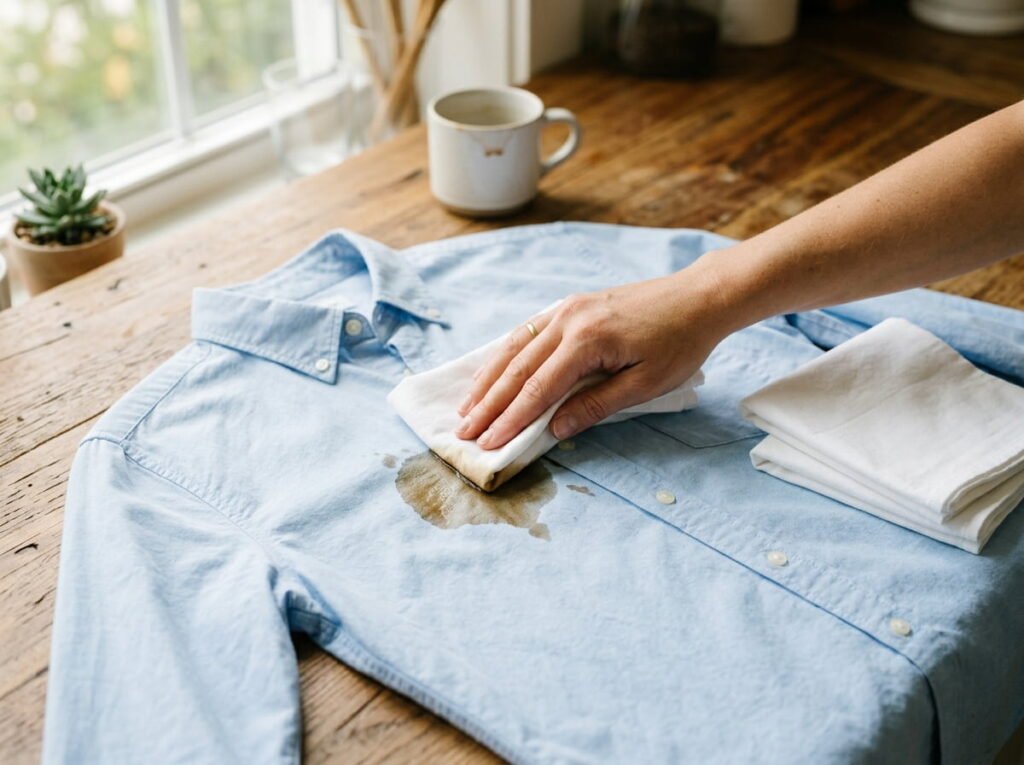
One rule beats every trick on this list.
Press a clean white cloth or paper towel onto the stain and lift. Work from the outside edge toward the middle so the spot does not spread. If there is a solid blob, scrape it off first with the back of a spoon.
Before you use any cleaner, do two quick checks:
- Read the care label for fabric and washing limits
- Test the cleaner on a hidden seam or inside hem
Rubbing grinds the stain into the fibers and can fuzz the fabric.
Blot, don’t rub, and test any cleaner on a hidden spot before it touches the stain.
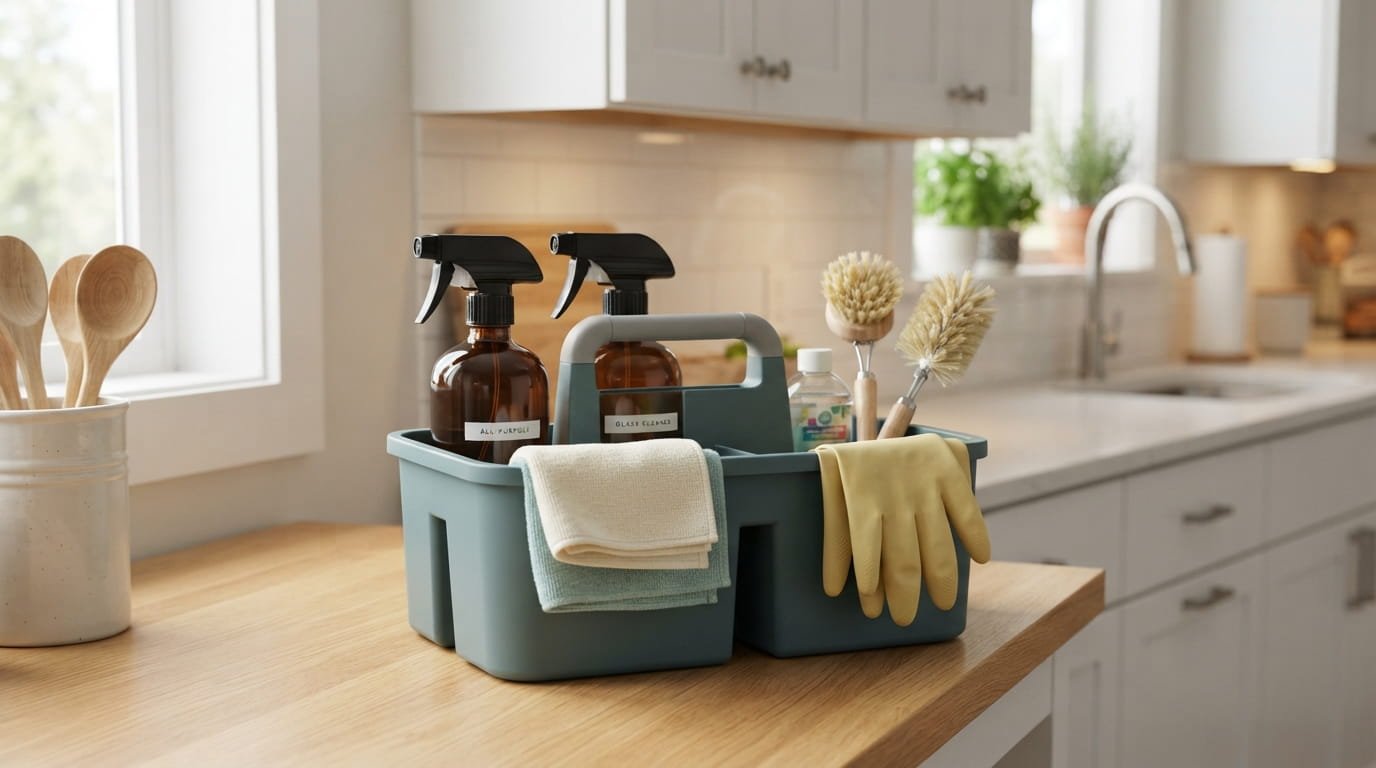
2. Pack a Five Item Stain Kit Before You Need It
Stains do not wait while you hunt for the right bottle.
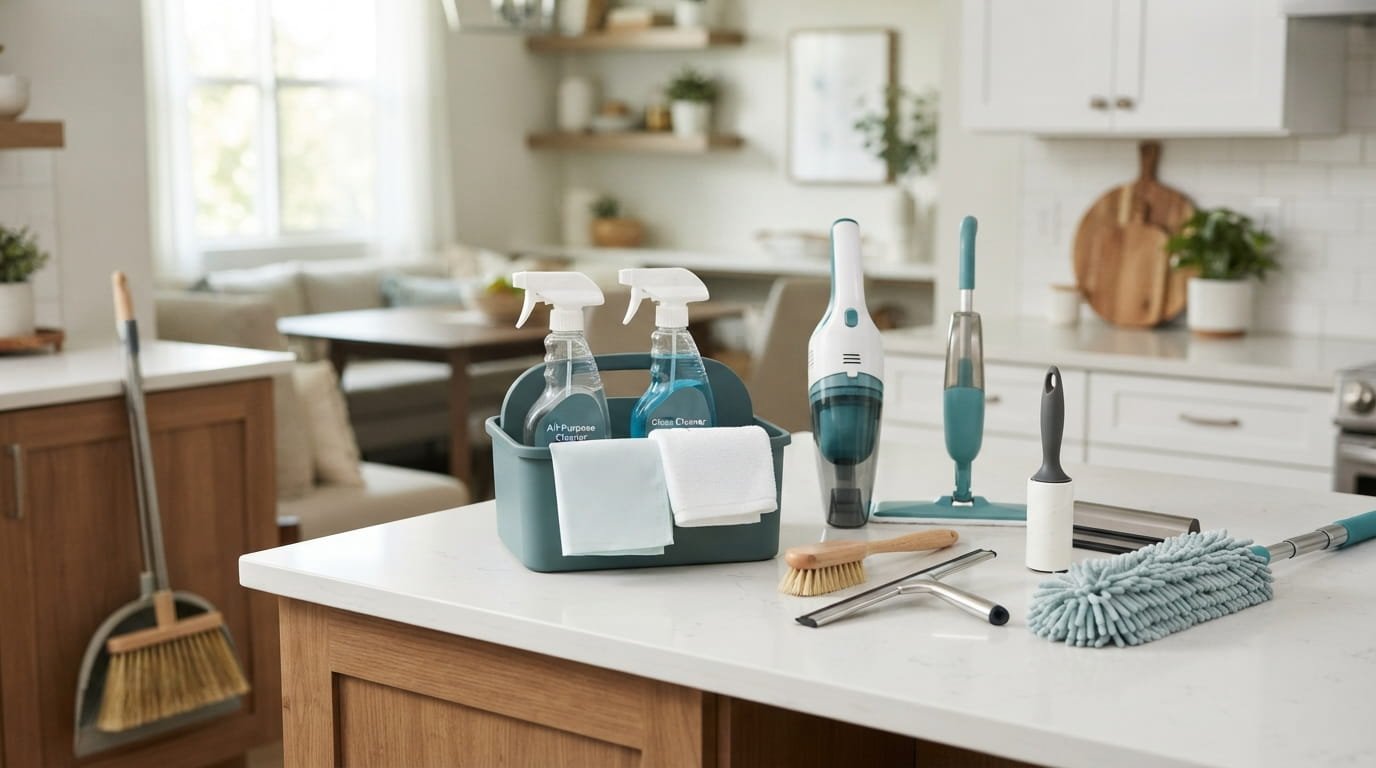
Keep a small basket or caddy near the washer with the basics, so the first move happens in seconds instead of hours. Most of it costs very little and lasts for months. A kit also stops the worst habit of all, which is tossing the stained shirt in the hamper and dealing with it later.
Check expiry and bottle labels every few months.
The five item kit
Never mix cleaning products together. Use one at a time and rinse between them.
3. Lift Fresh Coffee and Tea Stains With Cool Water
Most people reach for hot water here, and that is the mistake.
Flush the stain from the back of the fabric with cool running water, which pushes the stain out the way it came in. Then dab on a drop of dish soap mixed with water, let it sit a few minutes, and rinse again. Coffee with milk and sugar needs a second round, since the milk leaves a faint film behind.
Wash as usual only once the mark has disappeared.
Flush from the back of the fabric.
Repeat the soap step if a faint ring remains.
Hot water, which can set the color.
The dryer, until the stain is fully gone.
4. Treat Red Wine While It Is Still Wet
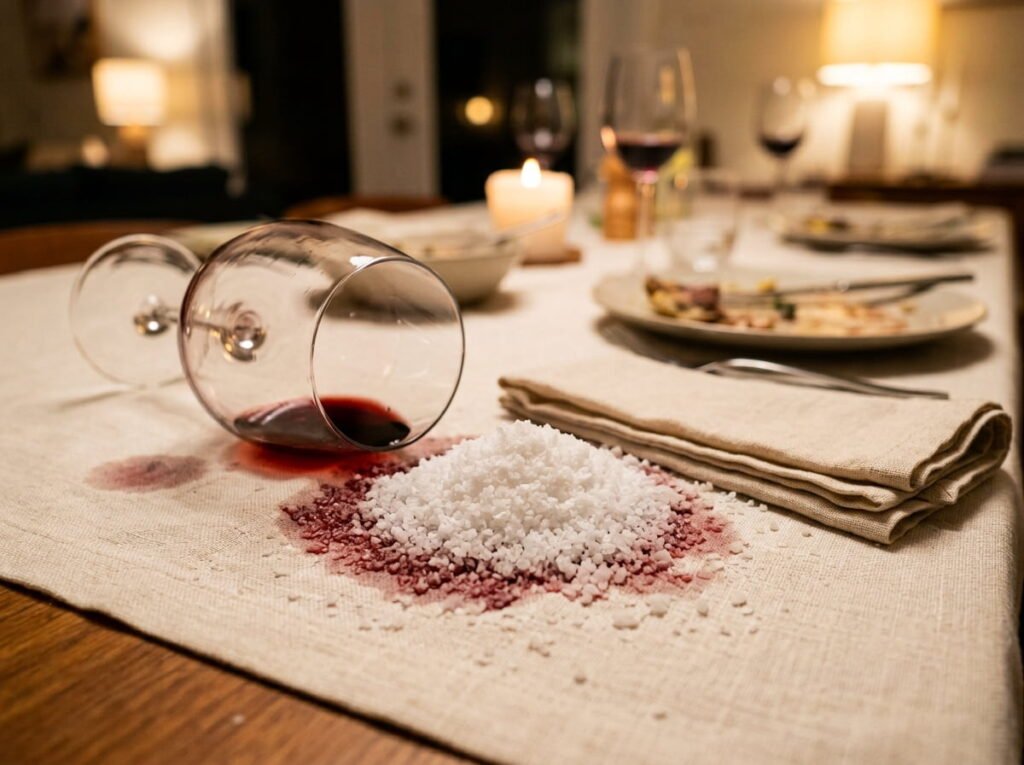
The glass tips, and you have about as long as it takes to find a towel.
Blot up as much as you can first. Then cover the spot with a thick pile of salt or baking soda, which pulls the wine up into the powder. When the powder looks pink, brush it away and rinse the spot with cool water. Delicate fabrics like silk or wool are better handled by a professional cleaner.
Blot the wine with a clean white cloth until the cloth comes up almost dry.
Cover the spot with salt or baking soda and let it sit while it draws up the stain.
Brush off the powder, rinse with cool water, then wash as the care label allows.
5. Break Down Grease and Oil With Dish Soap
Oil and water do not mix, which is why plain water does nothing to a grease spot.
Dish soap is made to cut grease, so it is the right tool here. Scrape off any excess, sprinkle on baking soda or cornstarch to soak up the oil, and let it sit. Brush the powder away, work a drop of dish soap into the spot with your fingers, and wash on the warmest setting the label allows.
Check the spot again before the dryer. Heat sets whatever is left.
6. Rinse Blood With Cold Water, Never Hot
Fresh blood comes out of fabric far easier than most people expect, as long as the water stays cold.
Hold the stain under cold running water from the back of the fabric. Heat cooks the proteins in blood and locks the mark in, so keep the tap on cold the whole time. If a ghost of the stain remains, work in a little dish soap and rinse again. Dried blood needs a longer cold soak first.
Hydrogen peroxide can lift stubborn spots, but it can also lighten colors, so test a hidden seam before using it.
💡 Quick Tip
Out of the house? Cold sparkling water or plain cold tap water in a restroom sink works as a first rinse until you get to the washer.
7. Rescue Grass Stains on Kids’ Knees
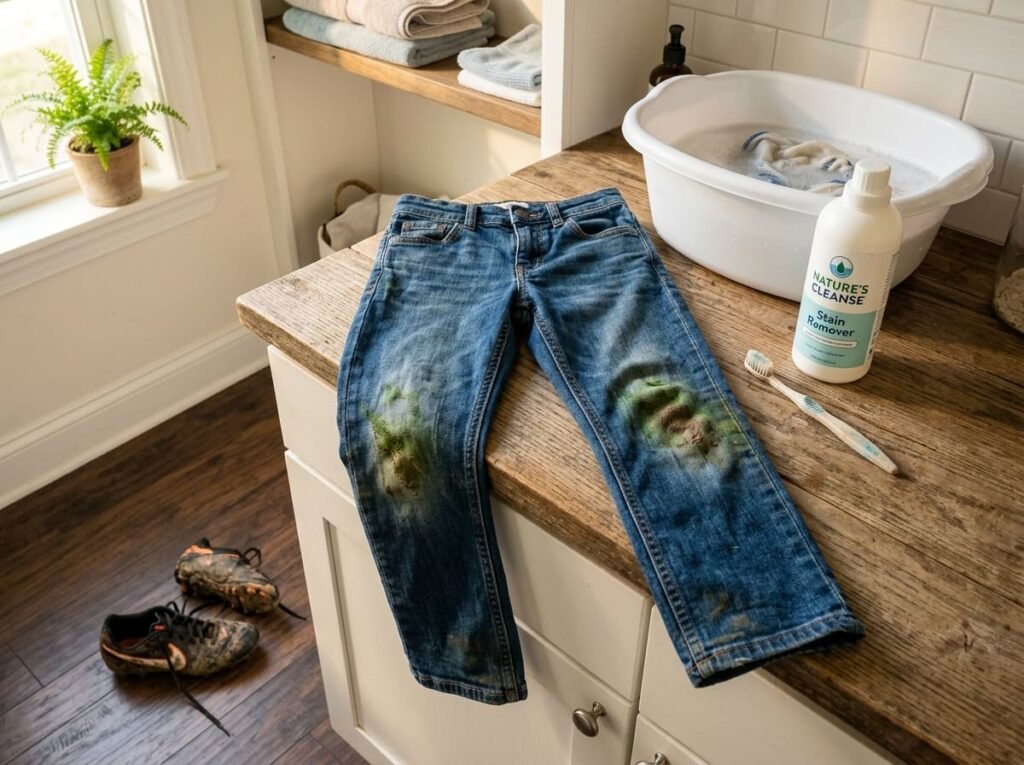
Soccer season leaves green knees, and a normal wash rarely gets them out.
Grass stains mix plant pigment with soil, so they need a two part approach. Work a little dish soap or a laundry detergent that contains enzymes into the spot with a soft toothbrush. Let it sit for a while, then wash. If a green shadow stays, soak the item in an oxygen based stain remover mixed to the package directions.
Check the spot again before drying, because the dryer will set any leftover green.
Green and brown patches on both knees, with dirt worked deep into the weave.
Knees back to their original color after a soap scrub, a soak, and a re-check before the dryer.
8. Handle Ink and Pen Marks by Fabric
Which fabric the pen landed on matters more than which pen it was.
Ballpoint ink often responds to rubbing alcohol on sturdy fabrics like cotton. Put a paper towel under the stain, dab with an alcohol soaked cloth, and keep swapping to a clean spot on the towel as the ink transfers. Permanent marker is tougher and may not come out fully. Silk, wool, and other delicates can be damaged by alcohol, so take those to a professional cleaner.
| Cotton and polyester | Silk, wool, delicates |
|---|---|
| Dab with rubbing alcohol after a spot test. | Skip home treatments, which can mark or weaken the fiber. |
| Blot onto a paper towel underneath. | Note the ink type and take it to a professional cleaner. |
9. Clear Yellow Sweat and Deodorant Marks
The yellow patch under the arm builds up slowly, so it looks sudden.
Mix equal parts baking soda and water into a paste, spread it over the stain, and scrub gently with a soft brush. Let it sit, then wash. For old buildup on white shirts, a soak in an oxygen based stain remover can help. Avoid chlorine bleach here, since it can react with sweat and make the yellow deeper.
- Turn the shirt inside out before washing
- Use the warm water setting the care label allows
- Air dry until the underarms are clear
10. Skip Chlorine Bleach on Rust Stains
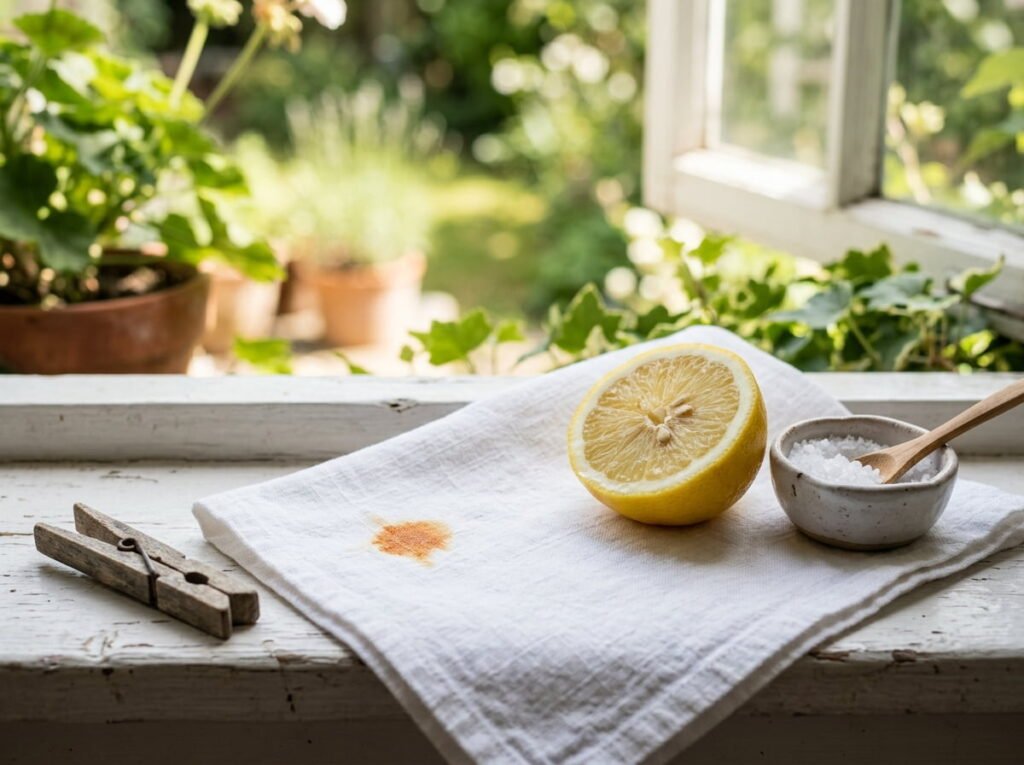
Rust stains look like a job for bleach, and that instinct usually makes them worse.
Chlorine bleach can react with rust and turn the mark darker. A safer move on white cotton is lemon juice and salt: rub it in, let the fabric dry in daylight, then rinse and wash. For colored or delicate fabric, use a commercial rust remover made for textiles and follow the label closely.
Test on a hidden spot first, since lemon juice can lighten dyed cloth.
⚠️ Watch Out
Never mix chlorine bleach with vinegar, ammonia, or other cleaners. The fumes can be dangerous. Use one product at a time and rinse well between them.
11. Let Mud Dry Before You Touch It
Wet mud is the one stain where waiting actually helps.
Wipe at it now and you smear fine clay into the weave. Let it dry completely, then crumble and brush off as much as you can with a stiff brush or an old toothbrush. Work a little dish soap or laundry detergent into whatever is left, rinse with cool water, and wash as usual. Shake the item outdoors first to keep the dirt off your floor.
Best for jeans, work pants, and school uniforms.
Let the mud dry fully, then brush it off.
Shake the garment outside before it comes in.
Wiping wet mud, which spreads the stain.
Tossing it straight in with the rest of the load.
12. Fade Tomato Sauce and Curry Stains
Spaghetti night and takeout night leave the same orange mark behind.
Scrape off any excess, then rinse from the back of the fabric with cool water. Work in a drop of dish soap, let it sit a few minutes, and rinse again. Turmeric in curry can leave a yellow shadow that wash cycles do not touch. Hanging the damp item in sunlight often fades it, and an oxygen based stain remover can help on white fabric.
Skip hot water and the dryer until the color is gone.
- ▸Tomato based stains respond best to cool water and dish soap.
- ▸Turmeric leaves a yellow ghost, so plan on a second step.
- ▸Sunlight can fade the last of the color on light fabric.
- ▸Plastic food containers stain too, so rinse them the same day.
13. Lift Makeup and Lipstick Without Spreading It
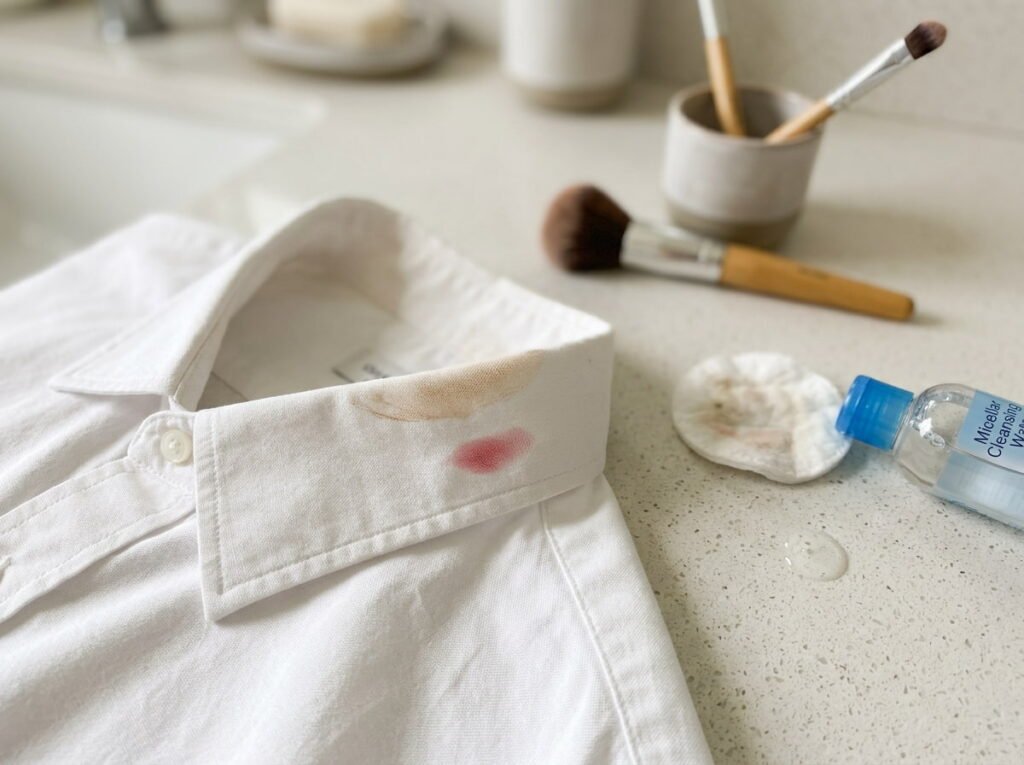
Foundation on a collar and lipstick on a cup rim are really oil stains in disguise.
Blot gently, since rubbing smears the pigment. Dab a little dish soap or a micellar water onto the mark and let it work, then rinse with cool water. For a lipstick smudge on cloth, dab on the soap and press from the back with a clean cloth underneath to catch the color. Wash as the label allows.
Check the stain again once it is dry, because makeup can hide until it does.
14. Treat Pet Accidents on Carpet and Upholstery
The smell is the real problem, and that is why plain soap often fails.
Blot up as much as you can with paper towels, pressing down instead of rubbing. Then use an enzyme cleaner made for pet messes, following the label, since enzymes break down the source of the odor. Skip ammonia based cleaners, which smell like urine to a pet and can invite a repeat. Test any product on a hidden corner first.
Quick response list
15. Free Wax, Gum, and Sticky Residue
A candle drip and a stuck piece of gum look nothing alike, but both want the same thing.
Gum comes off easiest when it is hard. Press an ice cube against it, then scrape it off with a dull edge. Wax works the opposite way. Let it harden, scrape off the top, then place a paper towel over the spot and press with a warm iron on low, swapping the towel as it soaks up the wax. A touch of dish soap handles any grease mark left behind.
Keep the iron moving, and skip this on delicate or synthetic fabric.
16. Match the Treatment to the Fabric
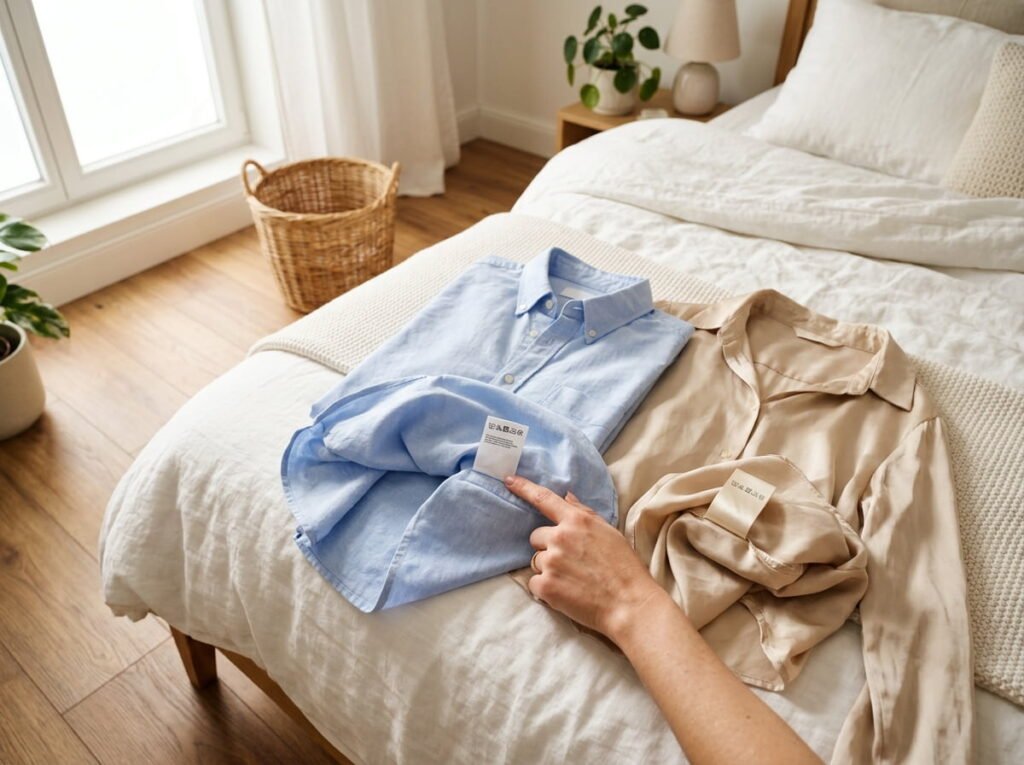
The same cleaner can rescue a cotton tee and ruin a silk blouse.
Before you reach for anything, read the care label. Sturdy fabrics like cotton, linen, and polyester handle most stain treatments. Delicates like silk, wool, and rayon can fade, shrink, or lose texture, so they need gentler handling or a professional cleaner. If the label says dry clean only, do not soak it at home.
When you are unsure, blot, keep the garment damp, and ask a cleaner before you try anything else.
| Sturdy fabrics | Delicate fabrics |
|---|---|
| Cotton, linen, polyester. | Silk, wool, rayon. |
| Handle most spot treatments after a test. | Blot gently and ask a professional cleaner. |
| Machine wash as the label allows. | Often dry clean only or hand wash. |
17. Give Set In Stains a Second Chance
A stain that went through the dryer is not always a lost cause.
Heat sets most stains, but a long soak can still loosen what is left. Fill a basin with cool water and an oxygen based stain remover, mixed to the package directions, and let the item soak for several hours or overnight. Work a little dish soap or detergent into the spot, then wash again. Check the stain before drying, and repeat the soak if a shadow remains.
Some old stains will fade without ever fully disappearing. That is a fair result.
A faded brown mark that survived the dryer and still shows on the shirt.
A much lighter mark after a long soak, a soap scrub, and a second wash with no dryer.
18. Keep a One Page Stain Cheat Sheet by the Washer
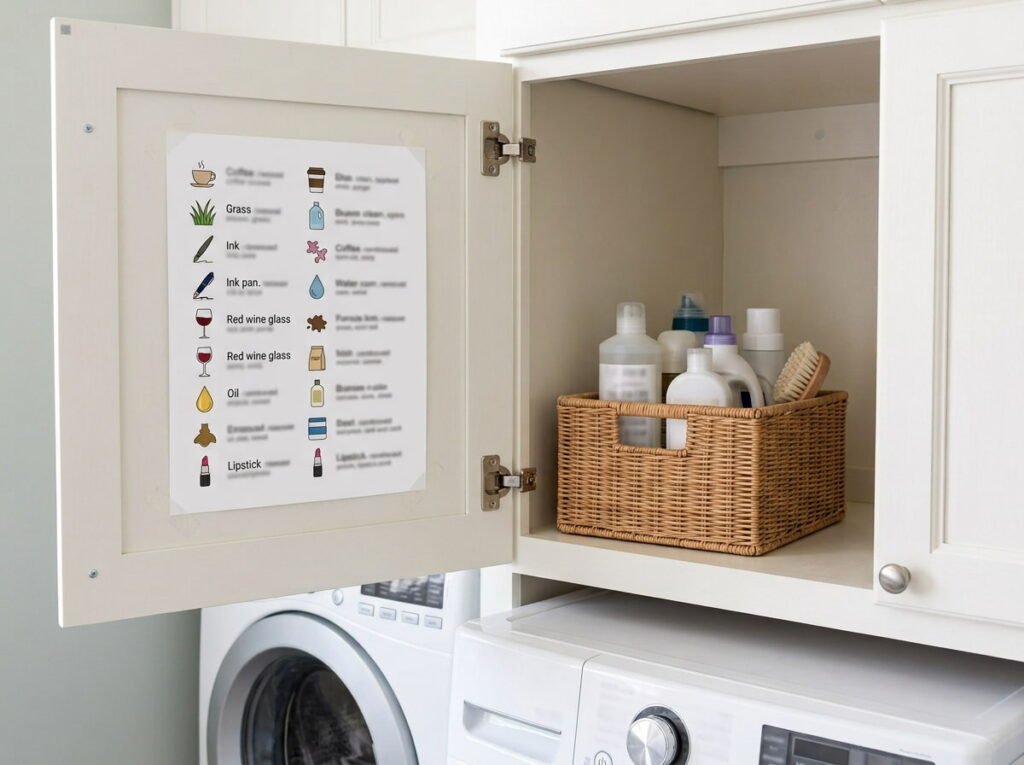
The best time to look up a stain is before the panic starts.
Print or copy this short chart and tape it inside a cabinet door or beside the machine. The stain type tells you the first move, so everyone in the house can act without a search. Update it with your own notes as you learn what works on your fabrics and your water.
Stain first moves
Conclusion
Most stains are not ruined clothes. They are fresh problems that got the wrong first move. Cool water for coffee, cold water for blood, soap for grease, and patience for mud will handle more than you might expect.
Keep the kit near the washer, read the care label, and test on a hidden spot before you commit. Over time, this stain removal guide becomes less of a list and more of a habit you do without thinking.
A spill does not have to end a favorite shirt. It just needs a calm start. Save this list to your Pinterest board so it is there the next time something spills.