
Standing in the cleaning aisle staring at a wall of bottles all claiming to be the best oven cleaner is more confusing than it should be. Foam, gel, cream, natural, fume free, heavy duty, the labels all promise the same result but work in genuinely different ways once they’re actually inside your oven.
The right choice depends less on brand reputation and more on a few practical details most people never think to check before checkout, things like your oven’s interior coating, how much buildup you’re actually dealing with, and whether anyone in the house is sensitive to strong fumes.
This list walks through what actually matters when shopping for an oven cleaner, not just what the front label promises. Some items cover the different cleaner types and when each makes sense. Others are about reading labels correctly before you’re standing in your kitchen with the wrong bottle. Work through a few of these before your next purchase, and the cleaner you pick will actually match the job.
1. The Main Types of Oven Cleaner, and What Each One Actually Does
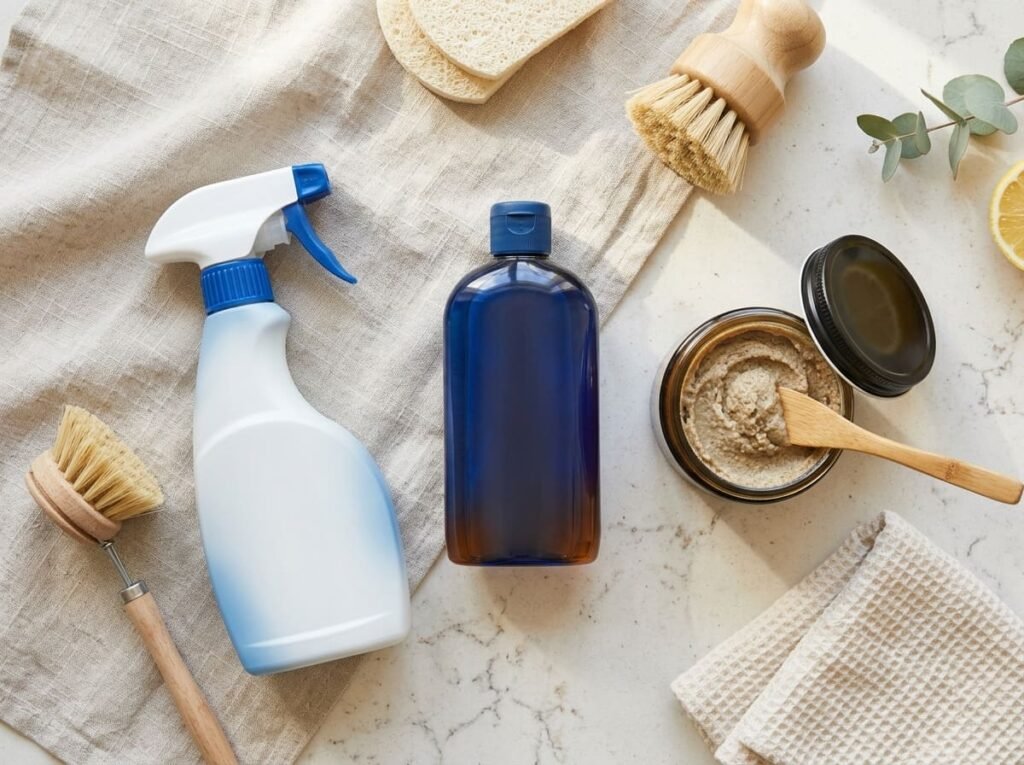
Oven cleaners generally fall into a handful of categories, and knowing the difference before shopping saves a return trip for the wrong one.
Match the type to the job first, not the other way around, since the strongest option isn’t always the right one for a lightly used oven.
2. Spray Foam Versus Gel Cleaners for Baked On Grease
Both spray foam and gel cleaners target the same baked on grease, but they behave differently once applied to an oven’s interior.
| Spray Foam | Gel |
|---|---|
| Spreads easily, can drip on vertical surfaces. | Thicker, clings in place without sliding down. |
| Works fast, usually within fifteen to thirty minutes. | Often needs a longer sit time for full effect. |
For an oven with mostly flat, horizontal buildup, foam usually gets the job done faster. For walls and the oven door, gel tends to stay put better.
3. Why Fumes Are the First Thing to Check on Any Label
The strongest cleaning formulas tend to come with the strongest fumes, and that’s a trade off worth weighing before anything ends up in your cart.
💡 Quick Tip
Check for ventilation instructions on the back label before buying, not after you’re already mid clean. A product requiring an open window and a mask isn’t a fit for every kitchen setup.
If your kitchen doesn’t ventilate well, a lower fume or natural option is worth the trade off in cleaning speed.
4. A Self Cleaning Oven Still Benefits From the Right Cleaner Between Cycles
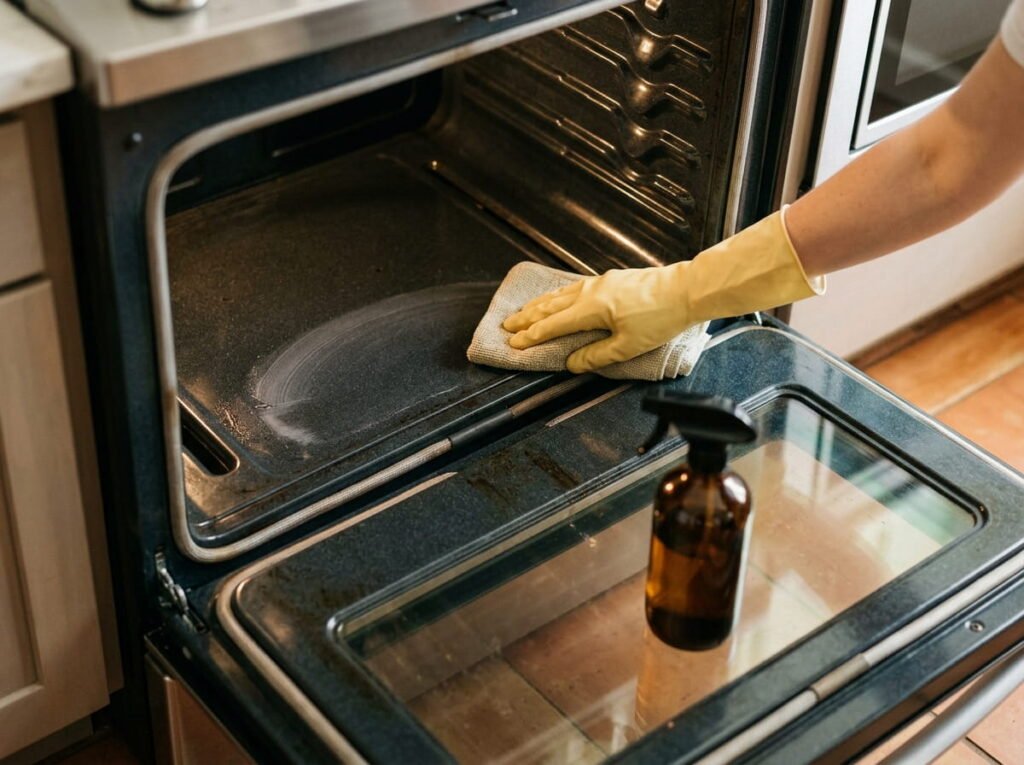
Owning a self cleaning oven doesn’t mean a bottle of cleaner becomes unnecessary, since that high heat cycle is usually meant for occasional deep cleans, not regular upkeep.
Relying only on an occasional self clean cycle, buildup accumulating between.
A light cleaner used regularly, self clean reserved for occasional deep resets.
A milder cleaner for regular wipe downs keeps buildup from reaching the point where only an intense self clean cycle can handle it.
5. The Mistake of Buying a Cleaner Before Checking Your Oven’s Interior Coating
Not every oven interior handles every type of cleaner the same way, and buying based on strength alone can lead to a product that’s actually too harsh for your specific oven.
Check your oven’s manual for cleaner compatibility before shopping.
Look specifically for whether the interior has a continuous clean coating.
Assuming every oven interior handles the same cleaner the same way.
Buying the strongest option without checking the coating first.
A continuous clean or textured interior coating often reacts poorly to standard oven cleaner, so this is worth confirming before anything else on this list.
6. Natural and Low Fume Options for Smaller or Poorly Ventilated Kitchens
Small kitchens or ones without a good exhaust fan make strong fume cleaners genuinely uncomfortable to use, which is where a natural or low fume option actually earns its keep.
Before reaching for the strongest bottle on the shelf, here’s what a gentler option usually covers:
What natural options handle well
They often need longer sit times to make up for being gentler, so patience matters more here than with a heavy duty formula.
7. What Actually Separates a Budget Cleaner From a Premium One
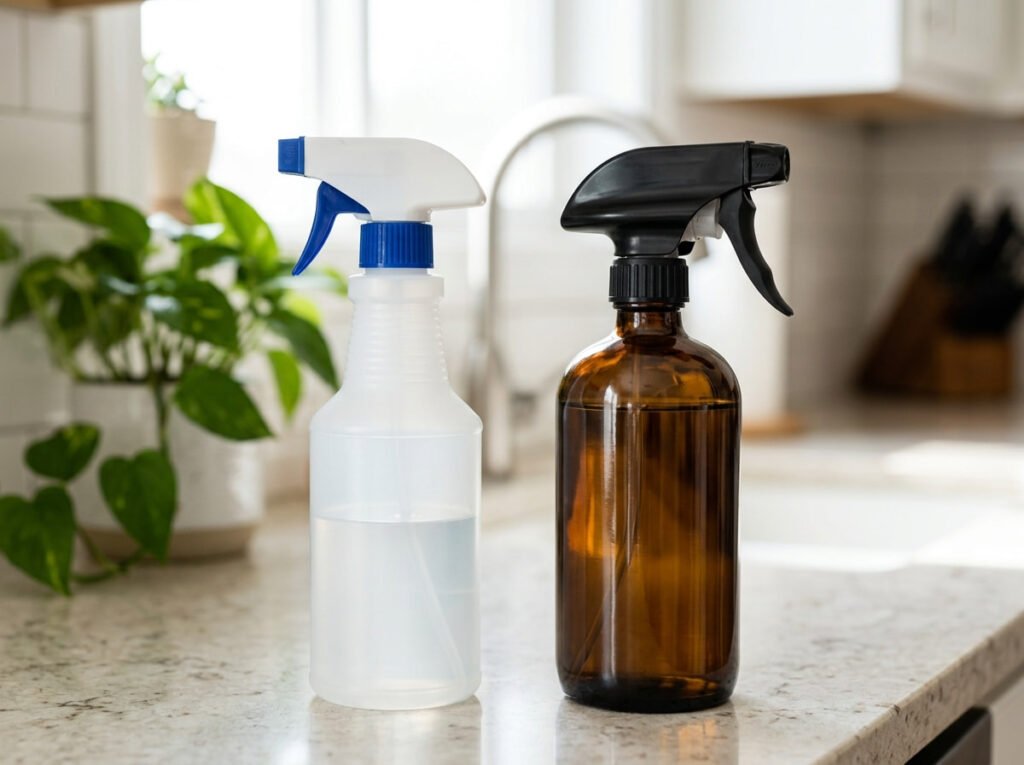
A higher price tag doesn’t automatically mean a stronger or more effective formula, and the real differences tend to show up in a few specific places.
For an occasional light clean, the budget option usually handles it fine. For an oven that’s gone a long time without attention, the time saved with a premium formula can be worth the extra cost.
8. Checking Whether a Cleaner Is Safe for Glass Oven Doors
Glass surfaces are more sensitive to certain ingredients than metal interiors, and a cleaner that’s perfectly safe on oven walls can still leave permanent marks on glass.
💡 Quick Tip
Look for a label that specifically mentions glass or oven door compatibility. If it doesn’t say either way, it’s worth testing on a small hidden corner first.
Some stronger formulas are only intended for the metal interior, so a separate glass safe product might be worth keeping on hand just for the door.
9. Cream and Paste Cleaners for Stubborn, Months Old Buildup
For grease that’s had months to bake on and harden, cream and paste cleaners tend to outperform a standard spray, since they stay in contact with the surface longer.
Apply with a brush rather than your hands if the product calls for that method, since direct contact isn’t recommended with most formulas this strong.
10. Why Scent Matters More Than People Expect With Oven Cleaners

A strong chemical smell can linger in a kitchen for hours after cleaning, which matters more than people realize until they’re sitting down to the first meal cooked in that oven afterward.
- Unscented formulas exist and tend to air out faster than heavily fragranced ones.
- A product marketed as low odor isn’t always actually mild, so reviews can help confirm.
- Running the exhaust fan during and after cleaning cuts lingering smell significantly either way.
- ▸Cleaning a day or two before cooking something smell sensitive gives odors time to fade.
- ▸An open window speeds up airing out more than people expect.
- ▸Worth timing a deep clean around a day the kitchen won’t be in heavy use.
11. Reading the Wait Time on the Label Before You Commit to a Method
Every oven cleaner lists a recommended wait time, and skipping past that number is one of the most common reasons people end up disappointed with a product that actually works fine.
Check the label’s wait time before you even open the bottle.
Set a timer rather than guessing, since underestimating is the most common mistake.
Schedule the clean for a time you can actually walk away for that long.
A product that needs two hours of sitting time isn’t a good fit for a quick ten minute window before you need the oven again.
12. The Return Policy Detail Worth Checking for an Unopened Bottle
Oven cleaner is one of those products that’s genuinely hard to evaluate until it’s actually used, which makes return policy worth a second look before checkout.
Check the return window before buying, especially for an unfamiliar brand.
Keep the receipt until you’ve actually tested the product once.
Assuming every opened cleaning product is returnable.
Tossing packaging before you’ve confirmed the product works for your oven.
Many stores won’t accept an opened cleaning product back, so this is worth confirming before trying anything brand new on a first use.
13. Matching a Cleaner to How Often You Actually Clean the Oven
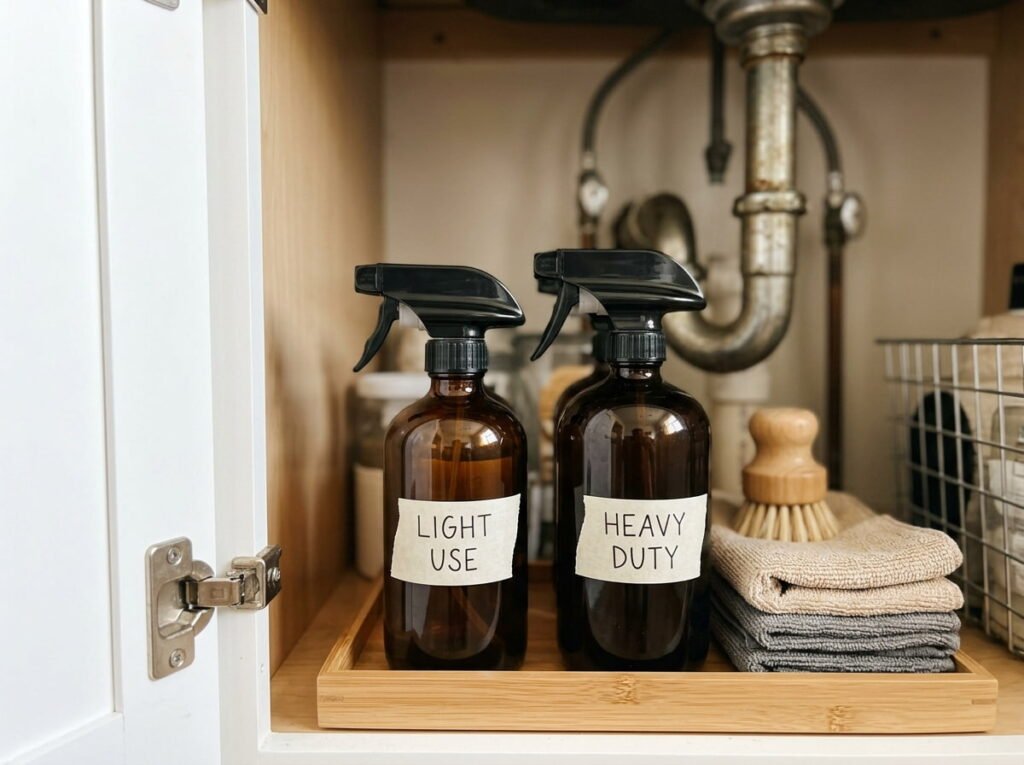
Someone who wipes down their oven weekly needs a very different product than someone tackling buildup that’s been sitting untouched for a year.
A single heavy duty cleaner used regardless of how dirty the oven actually is.
A lighter weekly product paired with a stronger one kept on hand for deep cleans.
Keeping two products on hand, one mild and one strong, usually covers more situations than buying a single all purpose bottle.
14. Store Shelf Versus Online Ordering, and What Changes Either Way
Buying from a physical store and ordering online both get you an oven cleaner, but a few practical differences are worth knowing before deciding which way to go.
| In Store | Online |
|---|---|
| You can check the label and smell before buying. | Wider selection, including specialty or natural brands. |
| Immediate availability for an urgent cleaning need. | Easier to compare reviews across multiple products at once. |
For a product you’ve used before, online ordering saves a trip. For something new, handling the bottle and reading the full label in person can prevent a mismatch.
15. A Cleaner Built for Racks Versus One Built for the Interior Walls
Not every oven cleaner is designed to handle both the interior walls and the racks equally well, and using the wrong one on racks can be less effective than expected.
Racks often do better soaked separately in a tub with dish soap or baking soda rather than sprayed in place with the same wall formula.
16. Checking Ingredient Lists If Anyone in the House Has Sensitivities
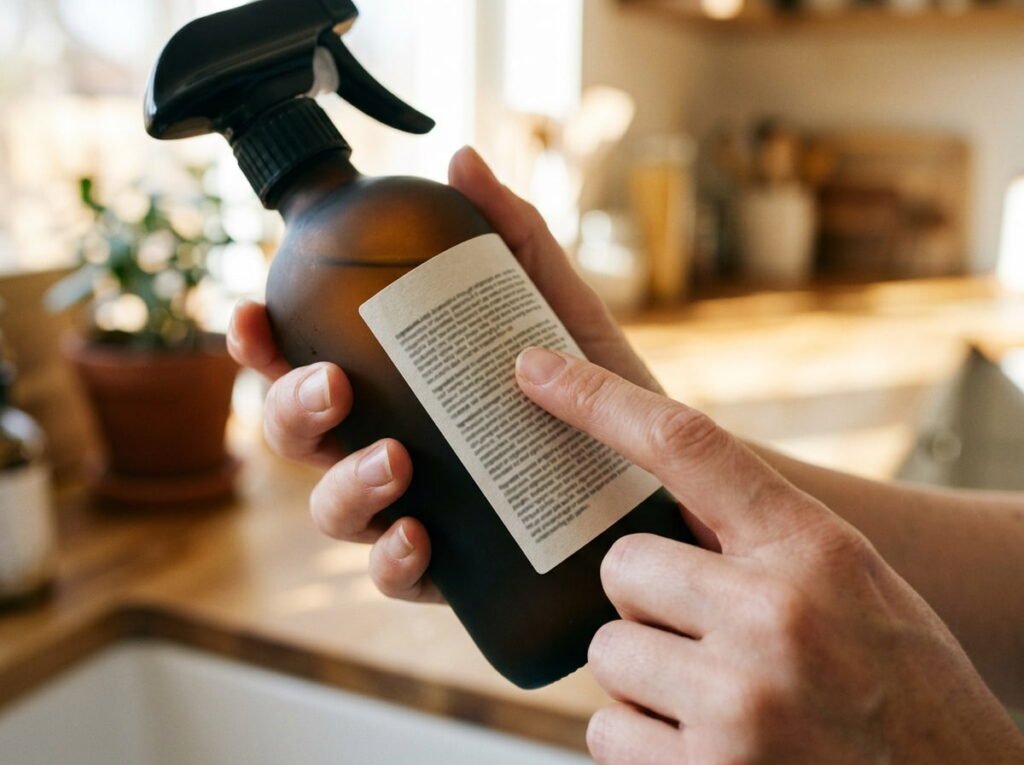
A cleaner that works perfectly well for most households can still cause real discomfort for someone with asthma, skin sensitivities, or chemical sensitivities in general.
💡 Quick Tip
Look at the full ingredient list, not just the front label claims. A product marketed as gentle can still contain strong fumes listed further down the back of the bottle.
If anyone in the household has a known sensitivity, testing a small amount first and ventilating well matters more than usual, regardless of what the product promises.
17. Why Testing a Small Patch First Still Matters Even With a Trusted Brand
A brand working well in someone else’s oven doesn’t guarantee the same result in yours, since interior finishes and coatings vary more than people expect across different oven models.
Pick a small, hidden corner of the oven interior to test first.
Apply a small amount and follow the label’s wait time exactly.
Check for discoloration or damage before moving on to the full interior.
This small step takes a few extra minutes but prevents a much bigger problem if a product reacts badly with your specific oven’s finish.
18. Building a Final Shortlist Based on Your Oven, Not Just the Packaging
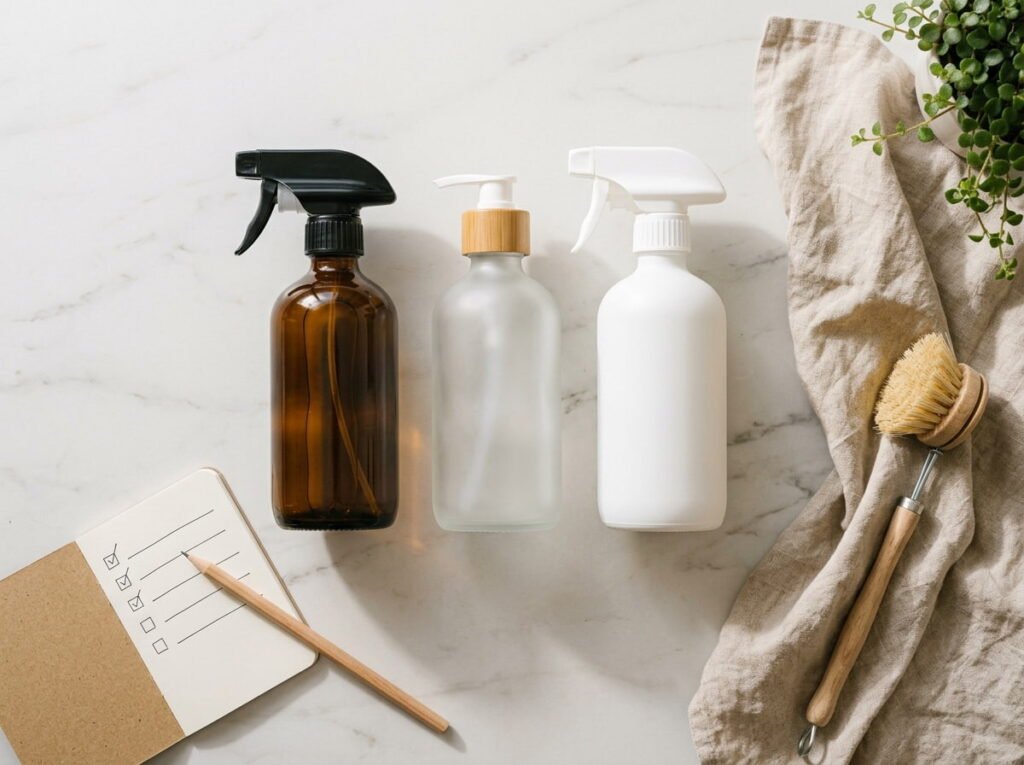
The best oven cleaner isn’t the one with the flashiest packaging or the biggest promises, it’s the one that actually matches your oven’s coating, your buildup level, and your household’s comfort with fumes.
The right oven cleaner fits your specific oven and household, not whichever bottle looks the strongest on the shelf.
Narrow your options down to two or three based on the details in this list, then pick whichever fits how dirty your oven actually is right now.
Conclusion
Finding the best oven cleaner really comes down to matching the product to your specific oven, not grabbing whatever bottle makes the biggest promises on the label. A gentle formula works fine for regular upkeep, while heavy buildup calls for something stronger, and knowing which situation you’re actually in saves both money and frustration.
Check your oven’s interior coating, think honestly about how dirty it really is, and factor in your household’s tolerance for fumes before anything else. Save this list for the next time you’re shopping for an oven cleaner, and let your actual oven guide the choice instead of the packaging.