
Most daily cleaning routines die within the first two weeks, and it’s rarely because the person gave up. It’s because the routine itself was built for someone with more time and energy than they actually have, packed with ten tasks that felt reasonable on paper and impossible by day four.
A daily cleaning routine that actually sticks isn’t built on motivation. It’s built on tiny, boring consistency, the kind that eventually runs on autopilot instead of willpower. Start with less than feels necessary, attach it to something you already do, and let it grow slowly instead of trying to fix your whole house from day one.
This list walks through the habit building choices that make the real difference, the ones that turn a routine from something you’re forcing yourself to do into something you barely think about anymore. Pick a few, keep it small, and give it more time than you think it needs.
1. Start With Three Tasks, Not Ten
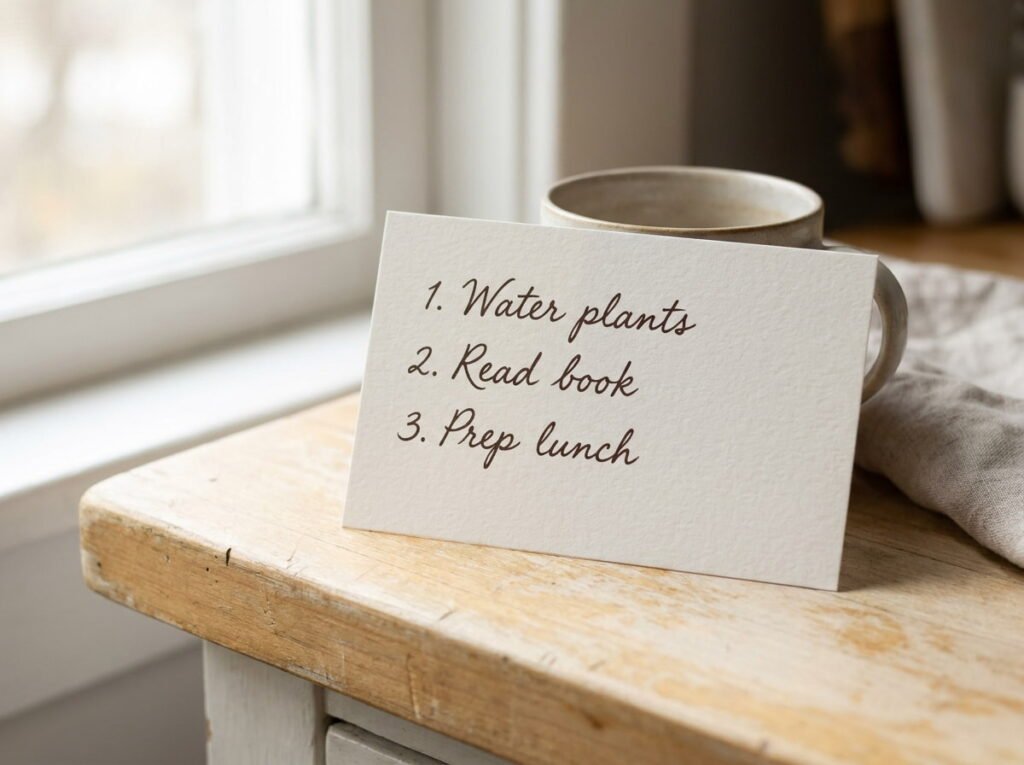
An oversized routine feels productive to plan and impossible to maintain, and most people quietly abandon the whole thing within a week once real life gets in the way.
Pick three tasks you can do without thinking twice.
Give it two full weeks before adding anything else.
Building a routine with every task you can think of at once.
Assuming more tasks means more progress.
2. Attach Each Task to Something You Already Do Daily
Wiping the bathroom counter right after brushing your teeth takes almost no extra thought, since you’re already standing there. That kind of pairing works better than trying to remember a separate task later in the day.
- Pick an existing daily habit as your anchor point
- Attach one small cleaning task directly after it
- Repeat the same pairing every day until it stops feeling like an extra step
Pick an existing daily habit as your anchor point.
Attach one small cleaning task directly after it.
Repeat the same pairing every day until it stops feeling like an extra step.
3. Pick the Same Time of Day Every Time
Consistency in timing matters more than which tasks you actually chose, since your brain builds the habit around the moment, not the specific action.
4. Keep Every Task Under Five Minutes

A routine that eats twenty minutes a day feels like a chore before you even start it, while one that takes five feels almost too easy to skip.
💡 Quick Tip
Set a timer the first few days if you’re not sure whether a task actually fits under five minutes.
5. Choose Tasks Based on What Bothers You Most, Not a Generic List
A routine built around someone else’s priorities never sticks the way one built around your own actual pet peeves does.
A generic checklist that doesn’t match what actually bothers you.
A short list targeting the exact spots that make your home feel messy.
6. Keep Cleaning Supplies Visible and Within Reach
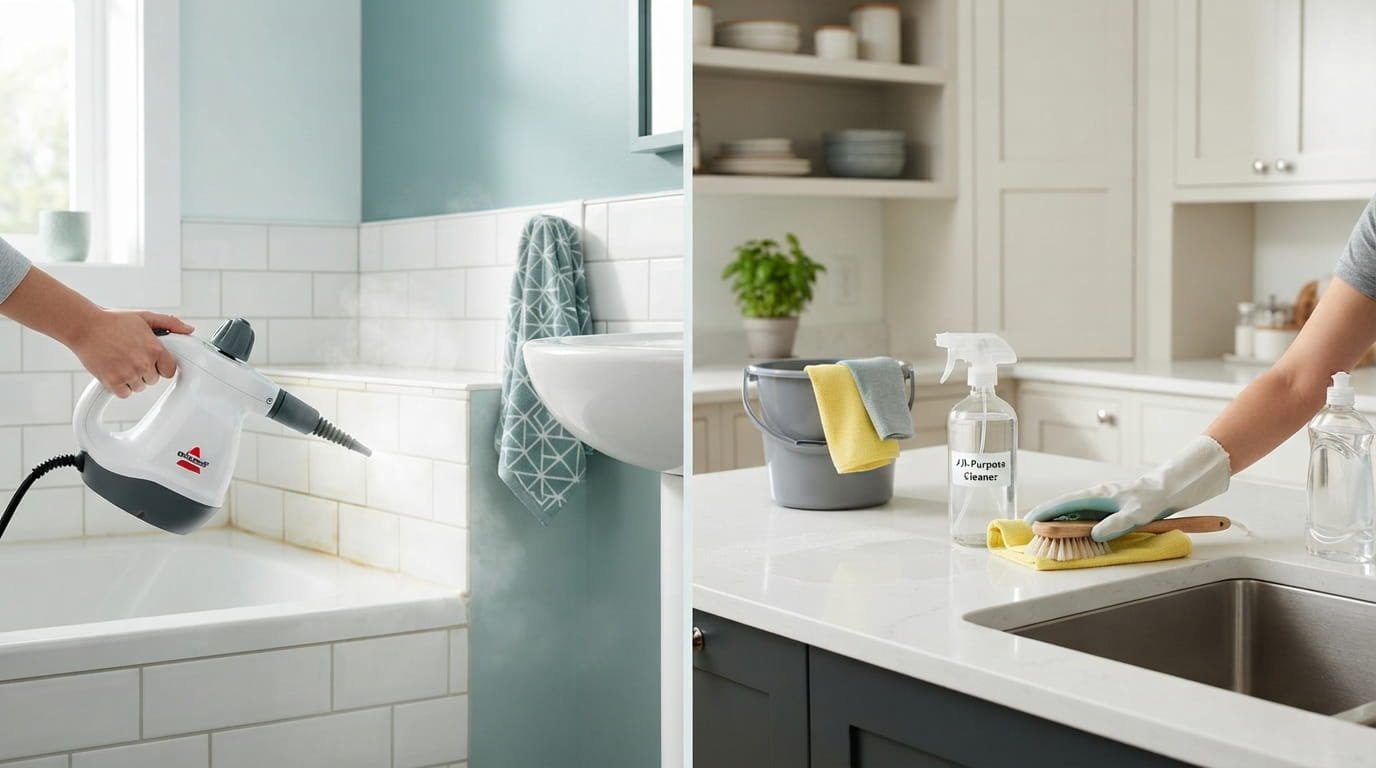
A spray bottle tucked away under the sink adds just enough friction to make you skip the task on a tired day, even when the task itself only takes a minute.
| Hidden Supplies | Visible Supplies |
|---|---|
| An extra step before the actual task even starts. | Ready to grab the moment you think of it. |
| Easy to forget entirely on a busy day. | A visual reminder just by being in view. |
7. Do the Task the Same Way Every Time, at Least at First
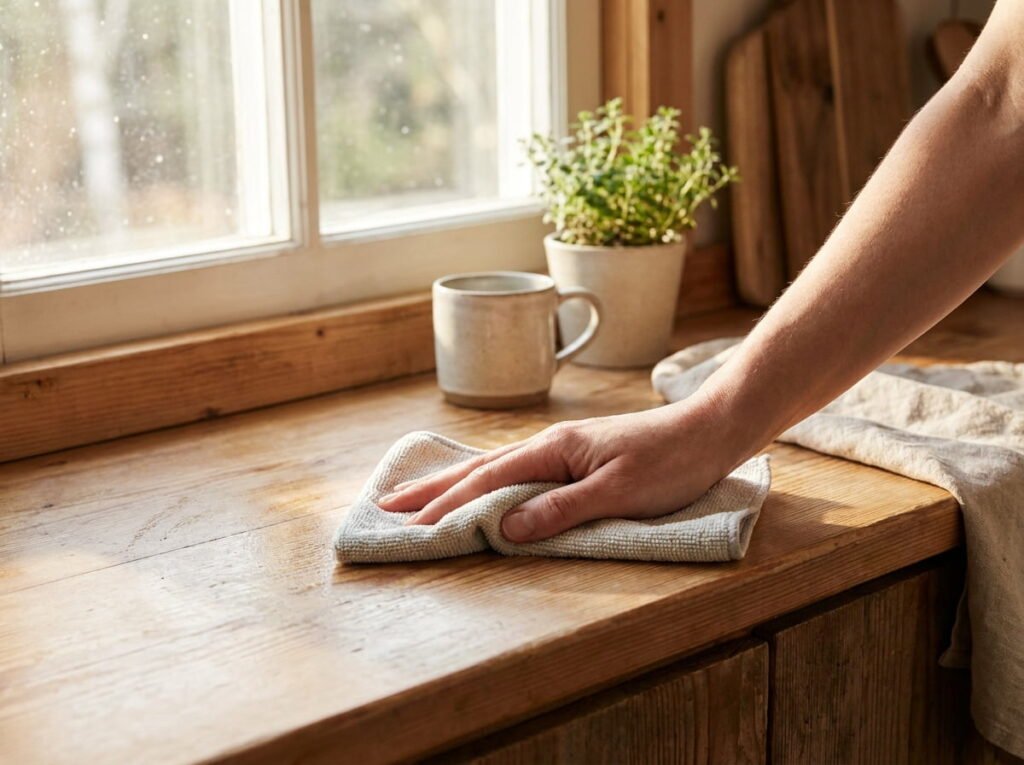
Switching up your method every day makes a routine feel like a decision each time instead of something automatic, and decisions are exactly what wear down motivation fastest.
8. Track Your Streak Somewhere You’ll Actually See It
A checklist buried in a phone app you rarely open does nothing for you, while one taped to the fridge stares back at you every single day.
Pick a tracking spot that fits how you actually move through your home:
Where to track it
9. Expect to Miss a Day, and Plan for It
An all or nothing mindset kills more routines than actual laziness ever does, since one missed day starts feeling like proof the whole thing failed.
Missing one day doesn’t break the routine. Treating it like proof of failure does.
10. Add a Second Task Only Once the First One Feels Automatic
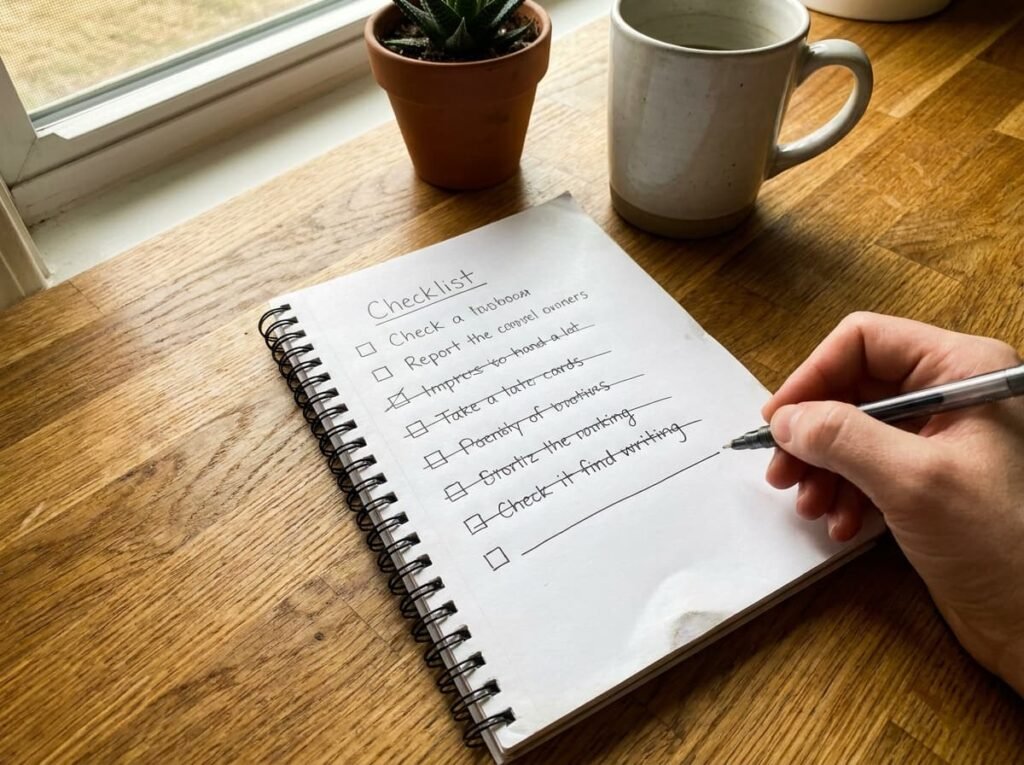
Piling on more tasks before the first one feels effortless is exactly how a promising routine collapses back to nothing within the first month.
- Notice when a task stops requiring conscious effort
- Wait at least another week after that point
- Add one new task, not several at once
Notice when a task stops requiring conscious effort.
Wait at least another week after that point.
Add one new task, not several at once.
11. Pair Your Routine With Something You Enjoy
A five minute task with a good song playing or a podcast episode running in the background passes faster than the same task done in silence with nothing but your own thoughts.
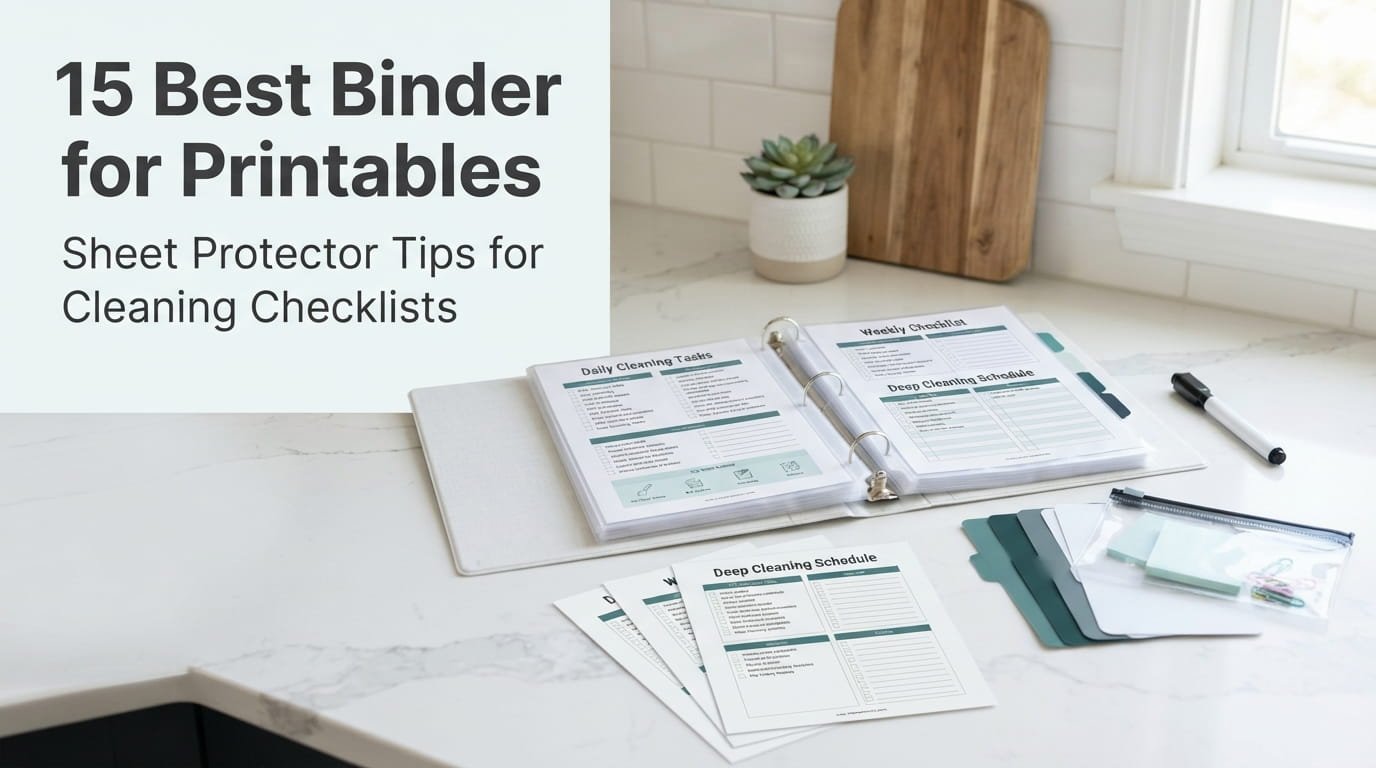
12. Keep the Routine Separate From Your Deep Cleaning Schedule
Mixing a five minute daily task with a full weekend deep clean job on the same list makes both feel confusing, and one usually ends up crowding out the other.
📌 Good To Know
Keep these as two separate lists entirely. The daily one should never mention anything from the deep clean schedule.
13. Do Your Routine Before Checking Your Phone in the Morning

Once you’re scrolling, the five minutes you meant to spend on your routine tends to quietly disappear into something else entirely, and the task gets pushed to later, then forgotten.
Handle your routine task before opening any apps.
Keep your phone in another room if that helps.
Telling yourself you’ll do it after checking one notification.
Letting the task drift to whenever you happen to remember.
14. Write Your Routine Down Somewhere Visible
A mental list is easy to reshape in your head until it barely resembles what you originally committed to, while a posted list holds you to the version you actually decided on.
Where to post it
15. Adjust the Routine When Your Schedule Changes, Don’t Abandon It
A new job, a new baby, or a season with more travel doesn’t mean the whole routine has to disappear, just that it needs to flex around what’s actually happening in your life right now.
A rigid routine that gets fully dropped the moment life gets busier.
A scaled down version that still holds even during a hectic stretch.
16. Celebrate Small Wins Instead of Waiting for a Perfect Week
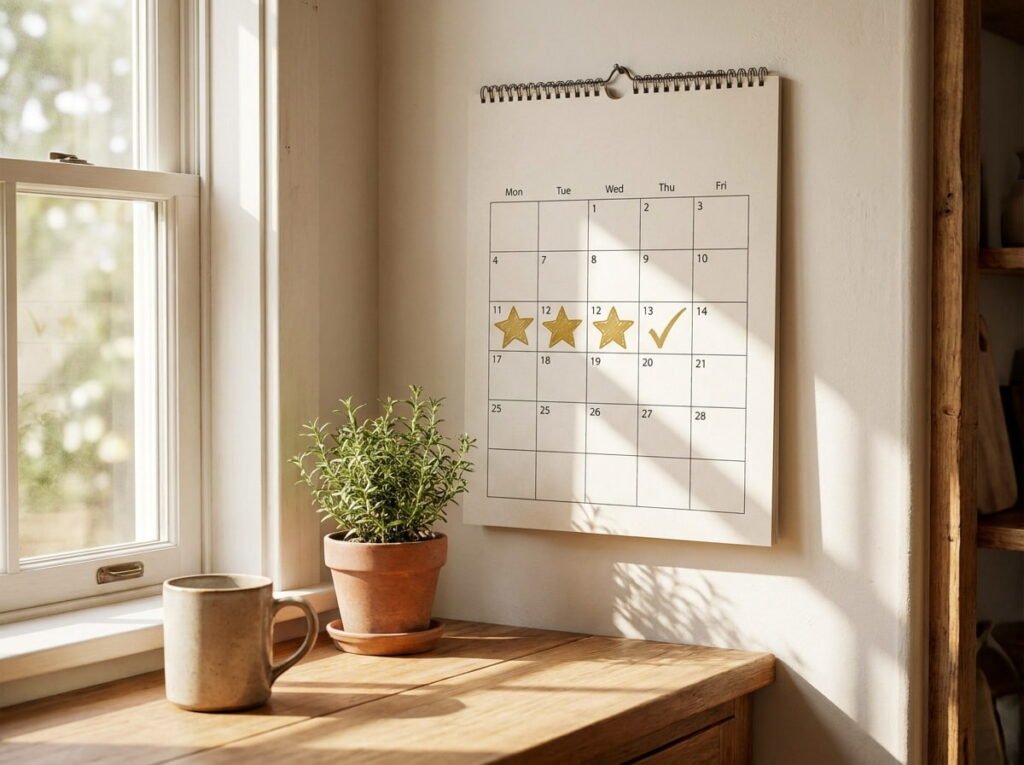
Waiting for seven flawless days in a row before feeling any sense of progress means you’ll rarely feel like the routine is actually working, even when it genuinely is.
⚠️ Watch Out
Notice a three day streak, not just a perfect month. Small acknowledgments keep momentum going better than waiting for perfection.
17. Review Your Routine After Thirty Days and Adjust What’s Not Working
A task that seemed reasonable on day one might feel completely different after a month of actually doing it, and that’s exactly the kind of thing worth catching.
18. Let the Routine Become Boring

The end goal was never excitement. Once a task stops requiring any thought at all, that’s the sign it’s actually become part of how you live instead of something you’re still working at.
Conclusion
A daily cleaning routine sticks when it’s built small enough to survive a bad week, tied to something you already do, and free from the pressure of doing it perfectly. None of the strongest routines started big. They started with three tasks and enough patience to let them become automatic.
Building a daily cleaning routine that actually works isn’t about finding more motivation. It’s about lowering the effort required until the task barely registers as a decision anymore. Give it time, expect a few missed days, and adjust instead of restarting from zero.
Save this list for whenever your current routine feels like it’s slipping, and use it to rebuild something smaller and more sustainable.