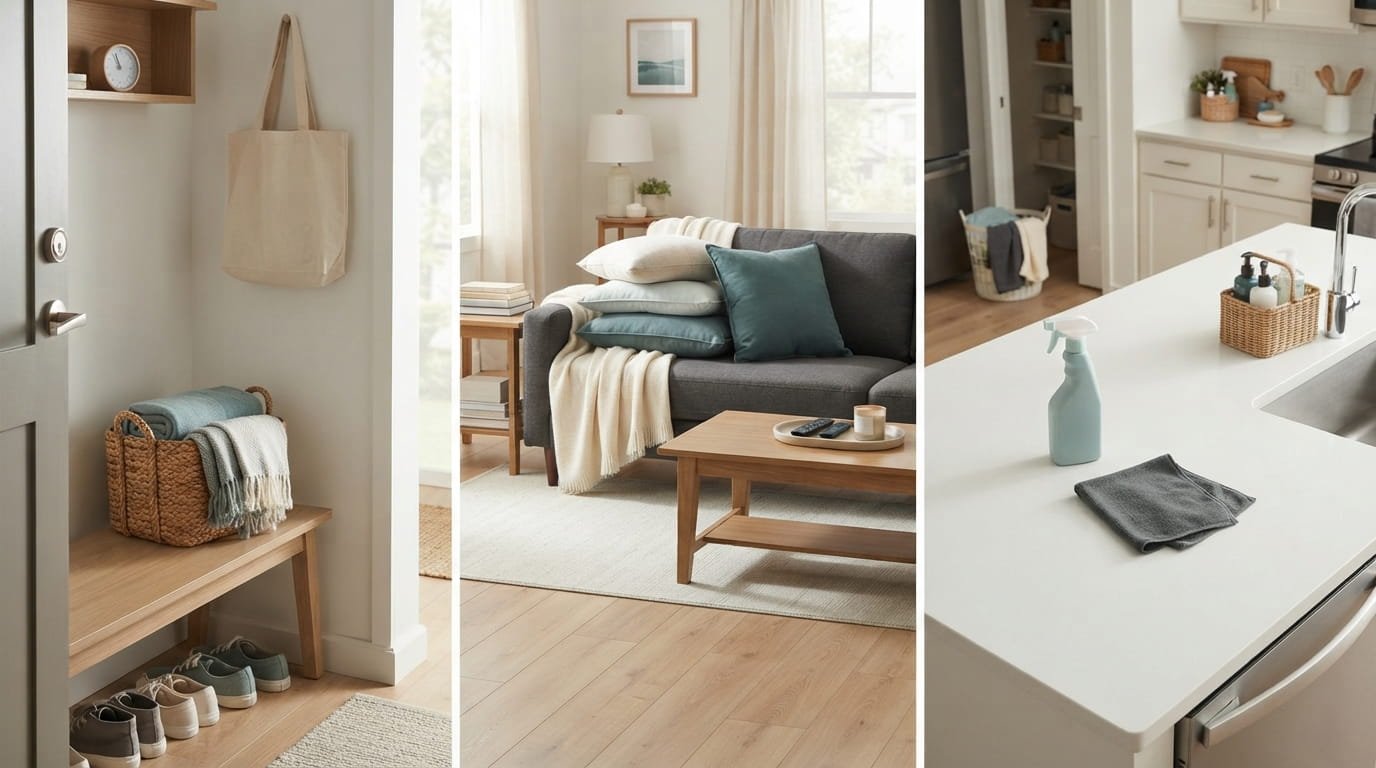
Most people picture house cleaning as something that eats a whole afternoon, which is exactly why it keeps getting pushed to “this weekend” and then the weekend after that. The house doesn’t need a marathon session. It needs consistent, smaller effort that never lets things pile up in the first place.
Learning how to clean your house in 30 minutes a day means the work gets spread out instead of stacked up. Thirty minutes fits into a morning before work, a stretch after dinner, or split across a few smaller windows if one block doesn’t fit your schedule. It’s short enough to actually happen and long enough to make a real difference.
This isn’t about doing everything every day. It’s about knowing exactly what thirty minutes should cover so nothing feels random or wasted. Some days focus on one room. Other days handle a specific task across the whole house. Pick the structure that fits today and let the rest follow.
1. Why Thirty Minutes a Day Keeps a House Cleaner Than One Long Weekend Ever Could
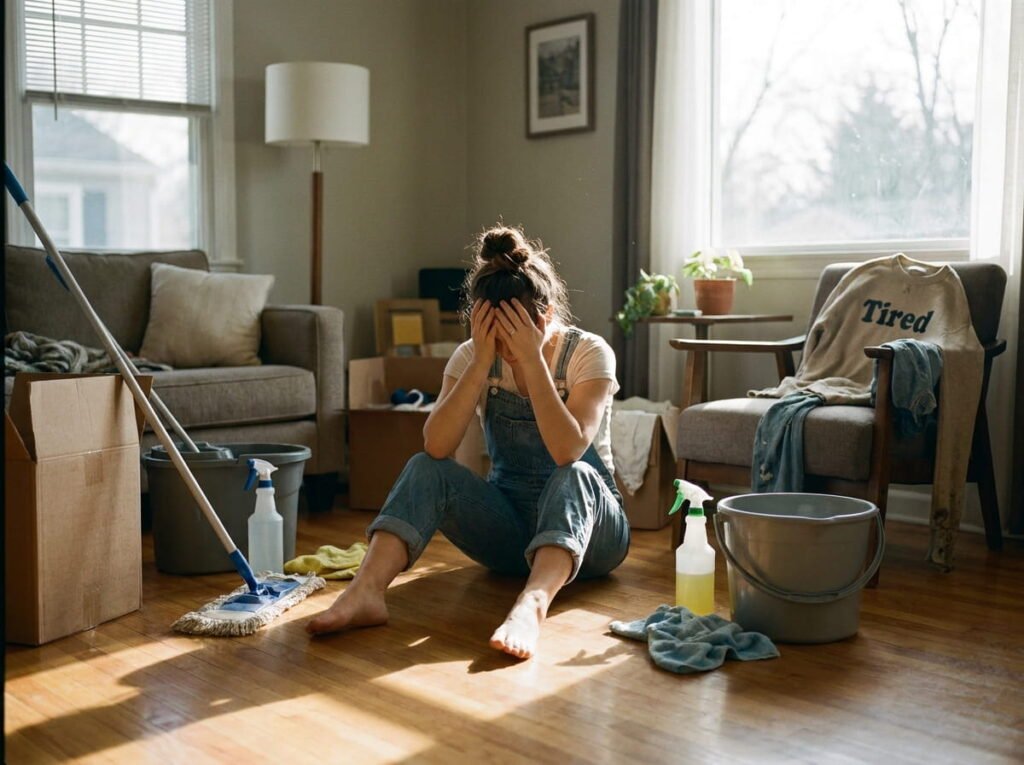
A weekend cleaning marathon tackles six days of buildup all at once, which is exactly why it feels so exhausting and takes so much longer than it should.
Daily thirty minutes prevents buildup, while a weekend clean just catches up on a mess that already happened.
Everything on this list is built around that daily thirty minute window, structured so nothing ever gets the chance to pile up in the first place.
2. Breaking Your Thirty Minutes Into Three Ten Minute Rounds Through the Day
Thirty straight minutes can feel like a big ask on a packed schedule, even though the total time barely changes when it’s split up.
💡 Quick Tip
Split it into three ten minute rounds, morning, midday, and evening. Three short bursts feel far more doable than one long block on a busy day.
This structure works especially well for anyone working from home or juggling a schedule with natural breaks already built in.
3. The First Ten Minutes, A Full Kitchen Reset Before You Leave the House
Leaving a messy kitchen behind in the morning means coming home to it later, and that mess only gets worse the longer it sits untouched.
Load breakfast dishes into the dishwasher or wash them by hand.
Wipe counters and the stovetop while coffee finishes brewing.
Take out any trash that’s full before you head out the door.
Walking back into a clean kitchen after a long day changes the whole mood of the evening, even before dinner gets started.
4. The Second Ten Minutes, A Midday Pass Through the Busiest Common Area
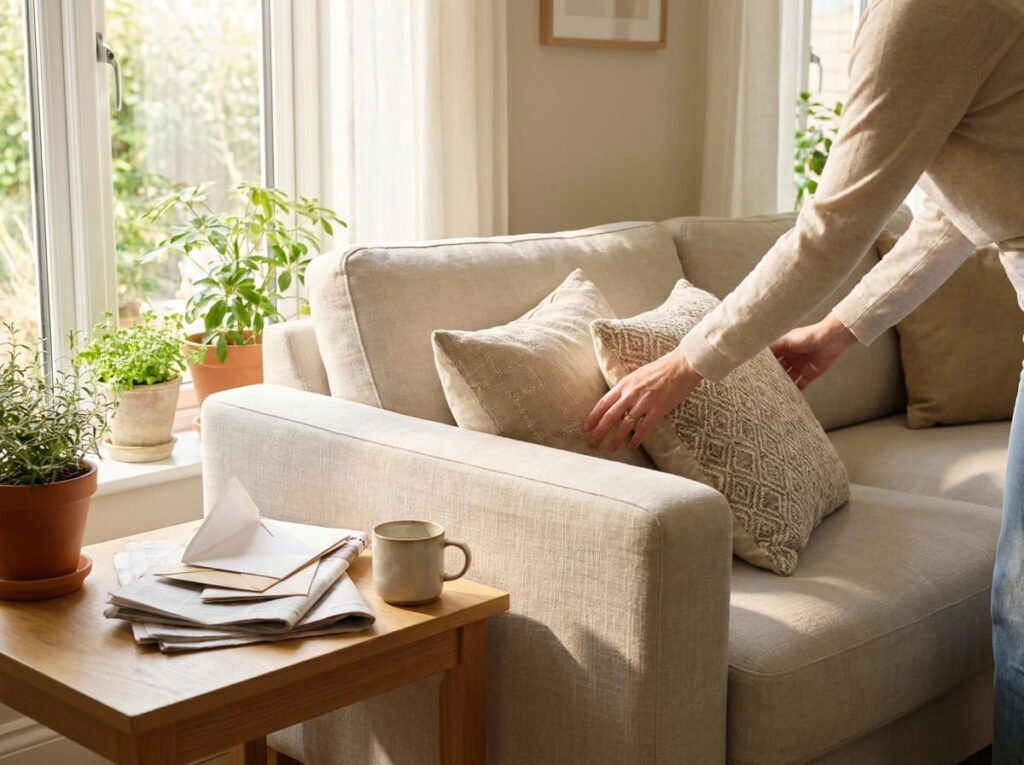
Whichever room your household spends the most time in collects clutter fastest, simply because it’s used the most throughout the day.
A midday check in stops small messes from compounding into something that feels like a real project by evening.
5. The Final Ten Minutes, An Evening Wind Down That Sets Up Tomorrow
The last ten minutes of the day matter more than they seem to, since whatever’s left undone tonight becomes tomorrow’s starting point.
Evening wind down checklist
Waking up to a reset house means starting the next day instead of starting with cleanup from the one before.
6. Why the Order You Clean In Actually Changes How Long It Takes
Cleaning in a random order, bouncing between rooms and tasks without a plan, wastes time retracing steps and repeating work you already did.
Dust and declutter before you vacuum or mop, top to bottom.
Finish one room completely before moving to the next.
Don’t vacuum before dusting, you’ll just dirty the floor again.
Don’t bounce between rooms mid task.
A logical order shaves real minutes off your thirty, minutes that would otherwise go toward redoing work.
7. Doing a One Minute Sweep of Every Room Before Starting Any Task
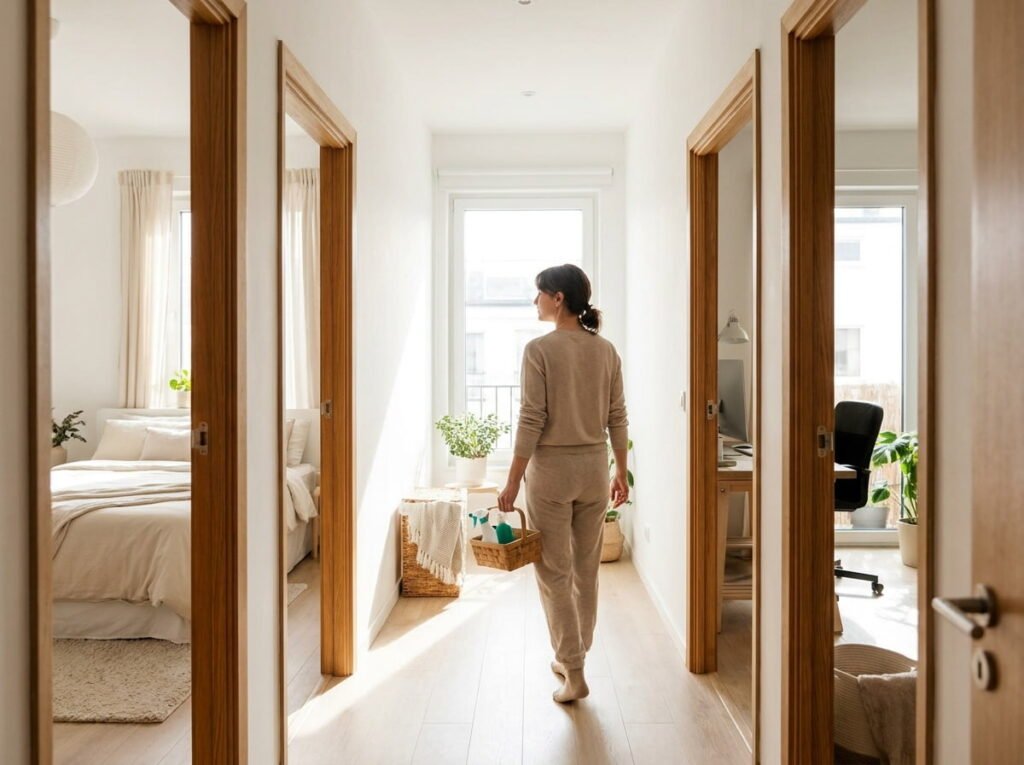
Jumping straight into deep cleaning without first seeing what actually needs attention means wasting time on things that don’t matter yet.
📌 Good To Know
Walk through the house for one minute before starting, noting what actually needs attention today. This tells you where your thirty minutes should actually go.
Some days that quick sweep reveals the kitchen needs the most help, other days it’s clearly the bathroom, and that changes your whole plan.
8. The Thirty Minute Bathroom Day That Handles Both Bathrooms Without Rushing
A day dedicated fully to bathrooms means giving them the attention they need without feeling like a rushed afterthought squeezed between other tasks.
Handling both bathrooms in the same thirty minute session keeps the cleaning supplies and momentum in one place instead of two separate trips.
9. A Bedroom Focused Thirty Minutes for the Day You Actually Have Energy for Closets
Bedrooms rarely feel urgent since they’re private, but that also means they can quietly slide the furthest before anyone notices.
Change sheets and straighten the bed completely.
Clear surfaces of stray items and put clothes back where they belong.
Spend any remaining minutes on one small closet section.
Save the closet work for a day when you actually have the mental energy for decisions, not a day already spent on everything else.
10. Assigning Each Day of the Week Its Own Thirty Minute Focus Area
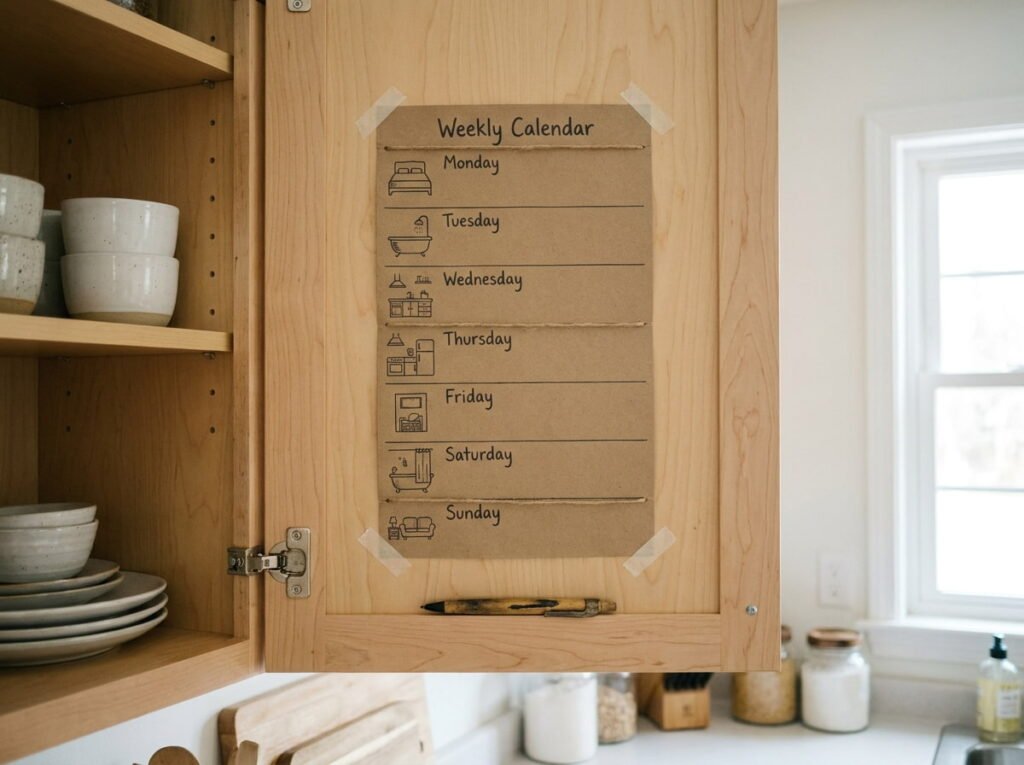
A routine with no structure means deciding what to clean every single day, and that small daily decision adds up to real mental fatigue over time.
Knowing exactly what today’s thirty minutes covers removes the decision entirely, which makes actually starting a lot easier.
11. Why Doing Laundry During Your Thirty Minutes Instead of Separately Saves Real Time
Treating laundry as its own separate task means it competes with your cleaning time instead of running alongside it for free.
⚠️ Watch Out
Waiting to start laundry until your cleaning time is “free” means it often never happens at all, since something else always feels more urgent.
Start a load the moment your thirty minutes begins, then let it run in the background while you handle everything else on today’s list.
12. A Living Room Thirty Minutes That Covers Dusting, Vacuuming, and Reset in One Pass
The living room sees more foot traffic and more sitting around than almost any other room, which means dust and clutter build up here faster than people expect.
Dusty shelves, scattered cushions, and crumbs worked into the rug.
Dust free shelves, straightened cushions, and a freshly vacuumed rug.
Dust first, then vacuum last, so anything knocked loose during dusting ends up picked up instead of resettling on the floor.
13. The Thirty Minute Floor Day That Handles Sweeping and Mopping for the Whole House
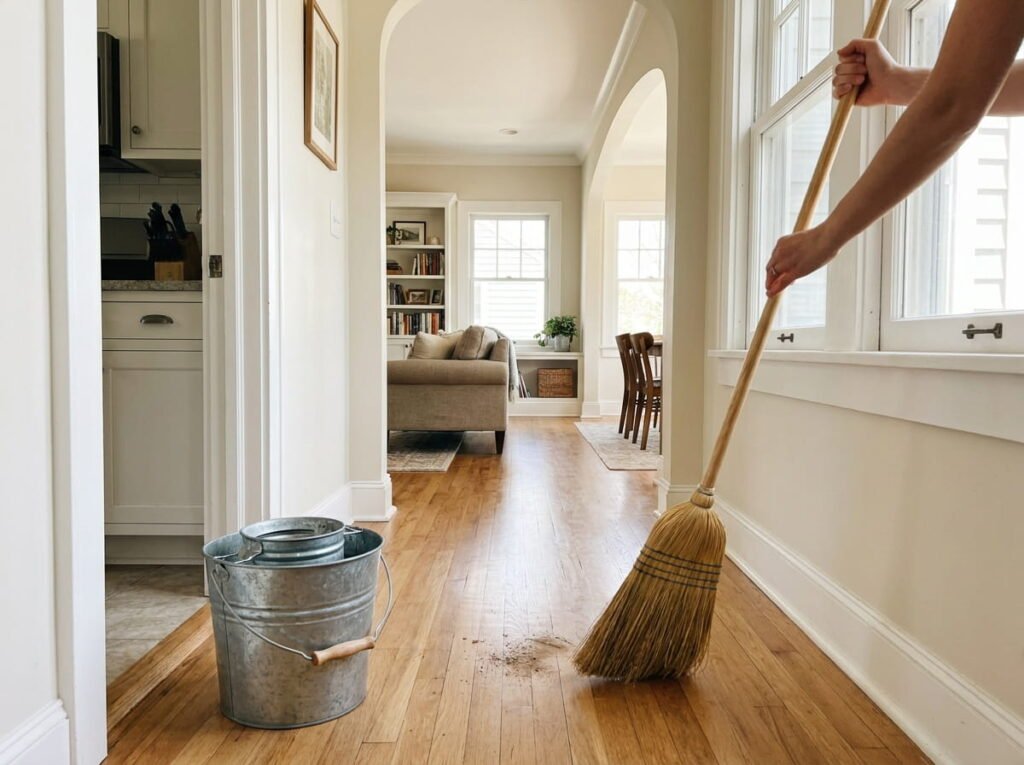
Trying to sweep and mop the entire house on the same day as other deep tasks usually means the floors get rushed or skipped entirely.
| Floors Mixed With Other Tasks | Dedicated Floor Day |
|---|---|
| Floors often get rushed or skipped | Every room’s floor gets real attention |
| Mop and broom pulled out multiple times a week | Supplies used once, then put away for the week |
Sweep the whole house first, then mop room by room, so you’re not walking back over floors you’ve already finished.
14. Using a Playlist or Podcast Length to Naturally Time Your Thirty Minutes
Checking a timer constantly can feel like its own small chore, but a familiar playlist or podcast episode already runs close to thirty minutes without any extra effort.
- Pick a podcast episode you already know runs close to thirty minutes
- Queue up a playlist and stop cleaning when the last song ends
- Let the audio do the timing so you’re not glancing at a clock
- ▸Pick a podcast episode close to thirty minutes long.
- ▸Queue a playlist and stop when the last song ends.
- ▸Let the audio handle the timing instead of watching a clock.
This trick also makes the thirty minutes feel less like a chore and more like something you’re actually enjoying while it happens.
15. Why Skipping the Timer Is the Fastest Way to Turn Thirty Minutes Into Ninety
Without any kind of time boundary, one small task naturally leads to noticing three more, and thirty minutes disappears before you realize it.
Stopping on time, even mid task, is what keeps this a thirty minute habit instead of quietly becoming an hour and a half every day.
16. A Deep Task Thirty Minutes for the Jobs Too Big for a Daily Slot
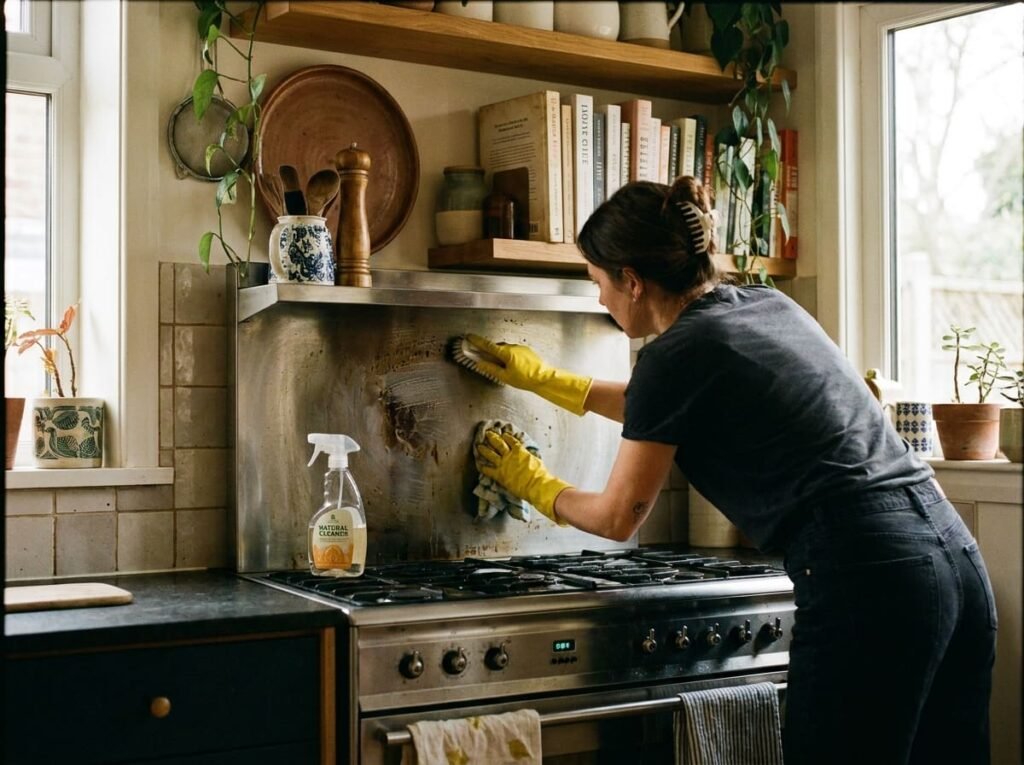
Baseboards, inside the oven, and behind the fridge don’t fit neatly into a daily ten minute round, but they still need somewhere to live in the overall schedule.
Set aside one full thirty minute session weekly for a single deep task.
Rotate which deep task gets the slot each week.
Don’t try to squeeze a deep task into a daily reset session.
Don’t let deep tasks pile up waiting for a nonexistent free day.
One rotating deep task a week means every job eventually gets done without any single day feeling like an overwhelming project.
17. Getting the Whole Household on the Same Thirty Minute Schedule
One person handling every day’s thirty minutes alone means the workload never actually shrinks, it just becomes a solo responsibility disguised as a system.
Getting everyone on board
Even a young kid can handle a simple daily zone, which turns thirty minutes of total house time into far less per person.
18. Why a Missed Day Still Beats Never Starting the Routine at All
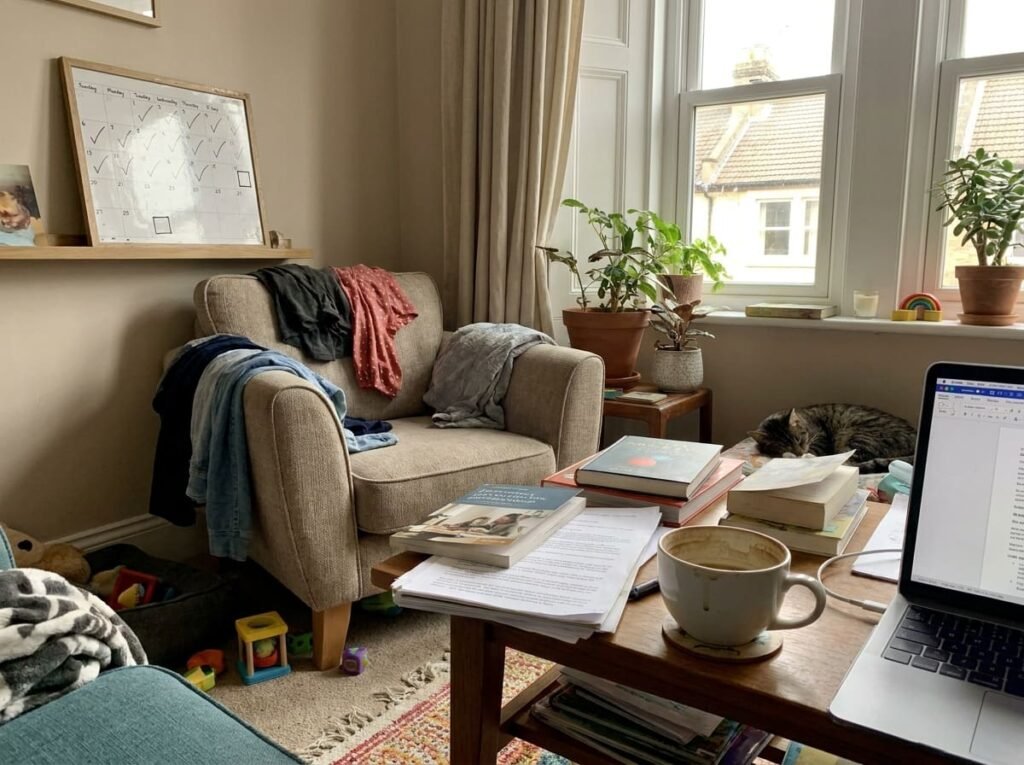
One skipped day can feel like the whole routine has failed, and that thought alone is often what makes people abandon it completely instead of just picking back up tomorrow.
💡 Quick Tip
A missed day is just a missed day. Pick the routine back up tomorrow exactly where you left off, without trying to make up for lost time all at once.
Someone who does this most days of the month is still miles ahead of someone waiting for a perfect week that never actually arrives.
19. The Weekend Thirty Minutes That Catches Anything the Weekdays Missed
Weekday schedules don’t always leave room for everything, and small tasks can slip through even the most consistent routine over a busy week.
Small tasks quietly slipping through a busy week, unnoticed until they pile up.
One weekend catch up session that closes the gaps before a new week starts.
Use this slot to check what didn’t get done, not to start entirely new tasks that don’t belong to the daily routine at all.
20. Turning Thirty Minutes Into a Habit That Doesn’t Feel Like a Chore Anymore
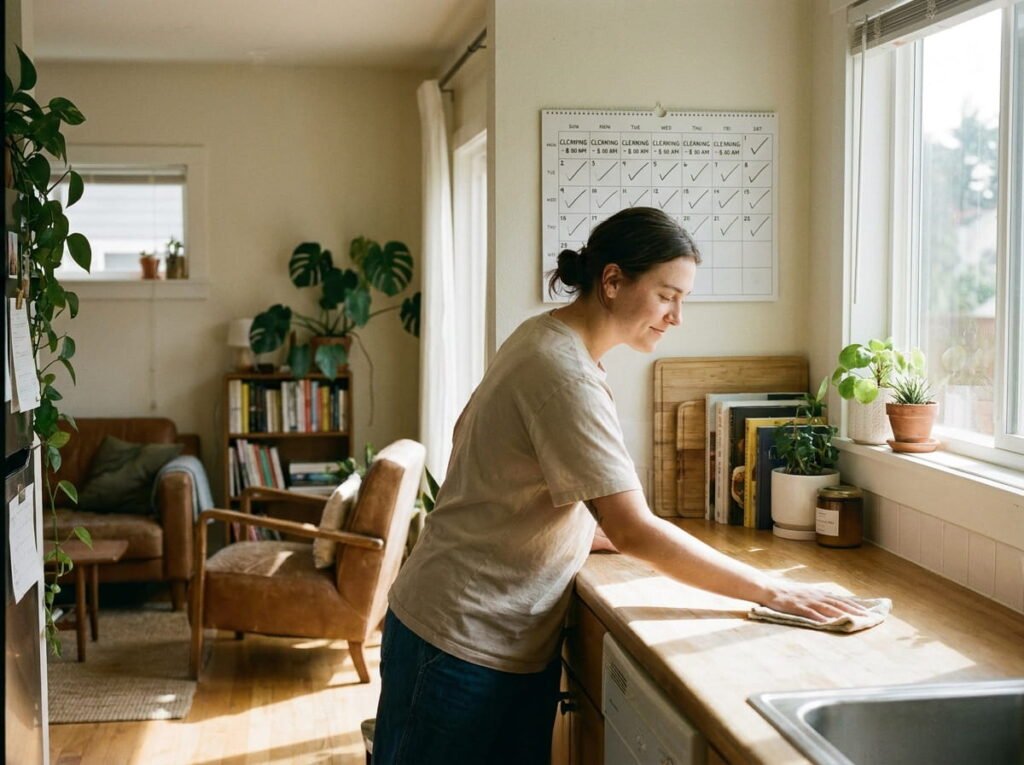
The first few weeks of any new routine take real effort, and that stretch is exactly where most people give up right before it would have started feeling automatic.
Give the routine a full month before deciding if it works. Most habits stop feeling like effort right around that point.
Once it becomes automatic, the thirty minutes stop feeling like a task on a list and start feeling like just part of how the day naturally goes.
Conclusion
Learning how to clean your house in 30 minutes a day comes down to structure more than effort. Ten minutes in the morning, a midday pass, and a short evening reset add up to real, consistent progress without ever demanding a whole afternoon. Add a rotating deep task once a week, and even the bigger jobs stay covered.
Give this a full month before deciding whether it fits your life. Some days won’t go as planned, and that’s fine. The thirty minutes you show up for today still count, even if yesterday got away from you completely.
Save this list for the next time your house feels like it’s slipping out of your control.