There’s a reason this argument never really settles at the family group chat level. One camp swears by a steam cleaner and won’t touch a bottle of chemical cleaner again, and the other thinks steam is just hot water putting on a show. The steam clean vs deep clean debate isn’t really about which method is better overall, it’s about which one wins on which surface, and most people have never actually broken it down room by room.
The truth is both methods have a real, specific advantage, and neither one wins everywhere. Steam handles bacteria and odor in soft surfaces better than most people expect. Traditional deep cleaning still beats steam on delicate materials that heat and moisture can actually damage.
This list walks through fifteen specific situations, from grout to hardwood to mattress sanitizing, and says plainly which method wins each one instead of dodging the question. A few sections cover cost and time, since that decision matters just as much as which one cleans better.
If you’ve been arguing about this with someone in your own house, this is the list that settles it.
1. What Actually Counts as Steam Cleaning Versus Traditional Deep Cleaning
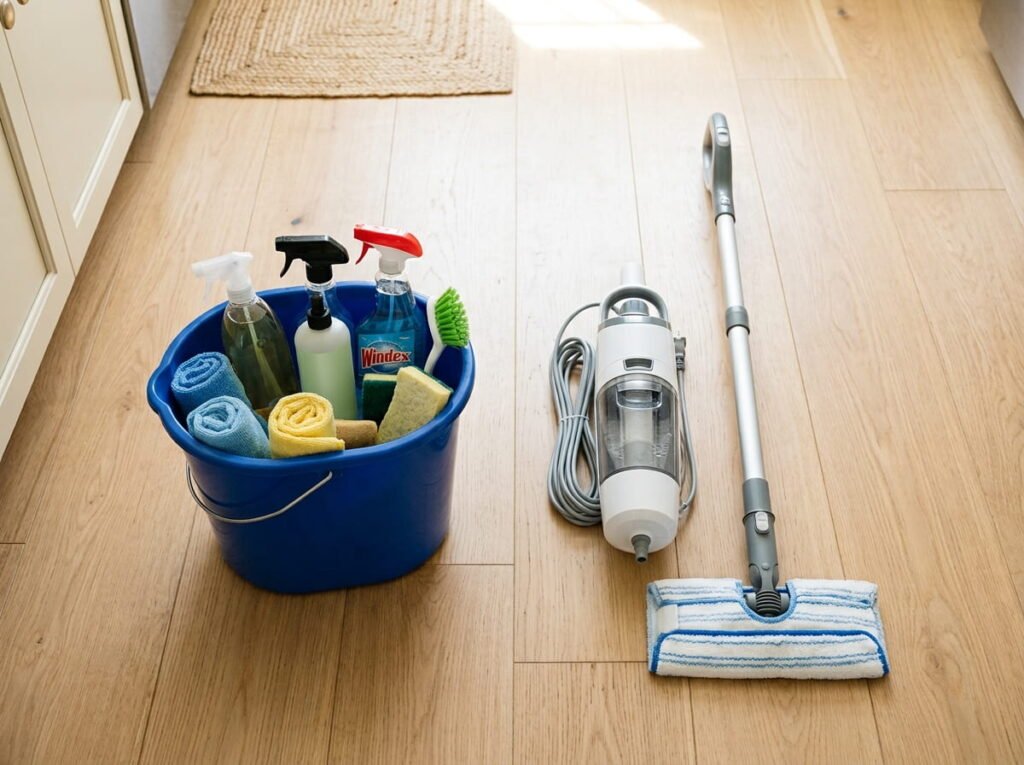
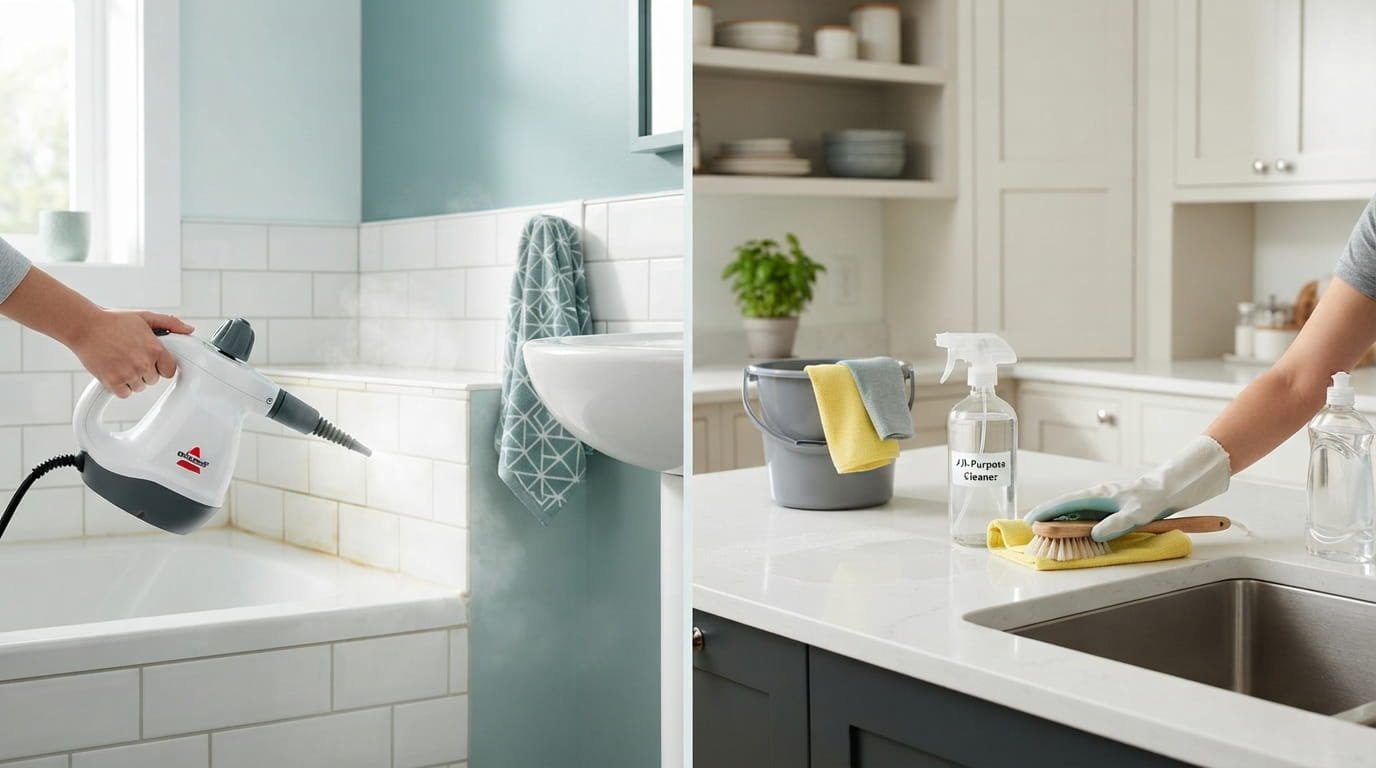
Steam cleaning uses pressurized hot vapor to loosen dirt and kill bacteria without chemicals, while traditional deep cleaning relies on cleaning solutions, scrubbing, and tools like vacuums or degreasers to do the same job through friction and chemistry instead of heat.
2. Carpet and Upholstery, Where Steam Usually Wins on Bacteria and Odor
| Steam Cleaning | Traditional Deep Cleaning |
|---|
| Steam Cleaning | Traditional Deep Cleaning |
|---|---|
| Kills bacteria and dust mites with heat | Removes visible stains more directly |
| Neutralizes odor at the source | Odor often masked rather than removed |
For deep set odors and allergens, steam has the real edge. For a fresh, visible stain, a targeted cleaning solution still works faster.
3. Grout and Tile, the Surface Steam Was Basically Made For
Grout lines trap dirt in a way that scrubbing alone struggles to reach, and steam’s pressure gets into those tiny grooves without needing a stiff brush and sore knees.
4. Hardwood Floors, Where Steam Can Actually Cause Damage
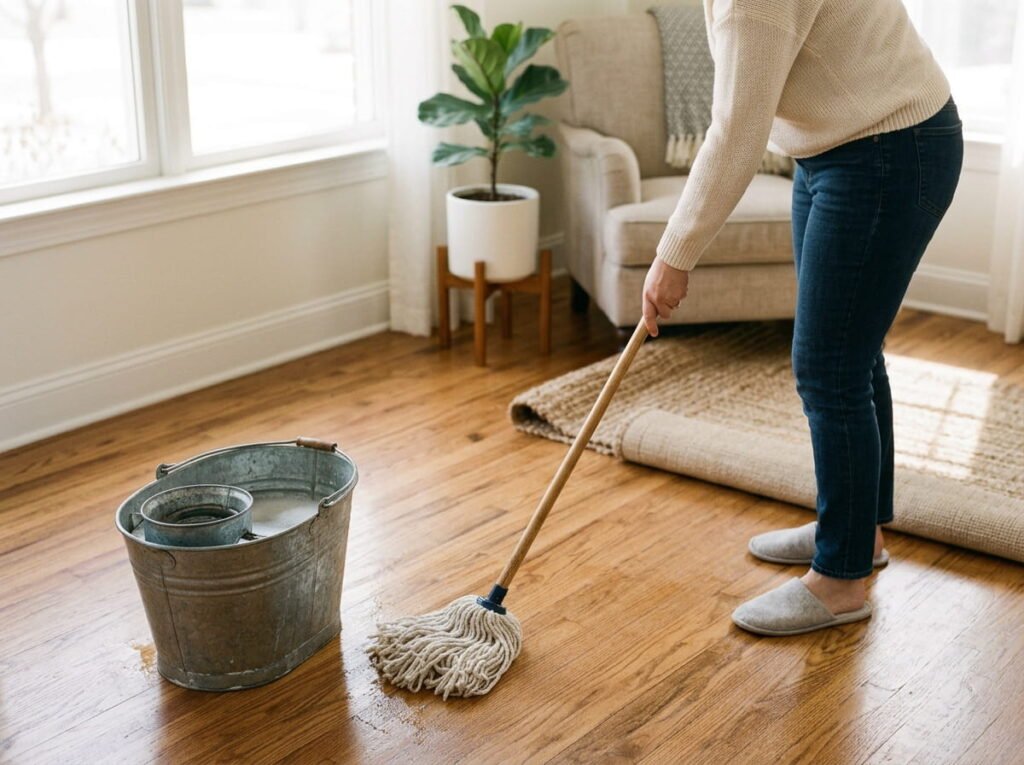
Moisture is the enemy of hardwood, and steam pushes hot vapor directly into seams and finish, which can warp boards or dull the surface over repeated use.
Use a traditional damp mop with a wood safe cleaner.
Dry the floor immediately after mopping.
Running a steam mop over sealed or unsealed hardwood.
Leaving any standing moisture on the boards.
5. Kitchen Grease on Stovetops and Range Hoods, Chemical Degreasers Versus Steam
Steam alone often struggles to fully cut through baked on grease, since the fat needs something to actually break it down chemically, not just loosen it with heat.
💡 Quick Tip
For heavy grease, steam first to loosen it, then follow with a degreasing spray. The combination beats either method alone.
6. Mattress Sanitizing, Where Steam Handles What Vacuuming Alone Can’t
A mattress absorbs sweat, skin cells, and dust mites deep into the fibers, somewhere a vacuum only reaches the surface layer no matter how many passes it takes.
Vacuumed regularly, but dust mites and odor still building up deep in the fibers.
Steamed monthly, with heat reaching deep into the fibers to kill what a vacuum leaves behind.
7. Bathroom Mold and Mildew, Which Method Actually Kills It Instead of Just Hiding It
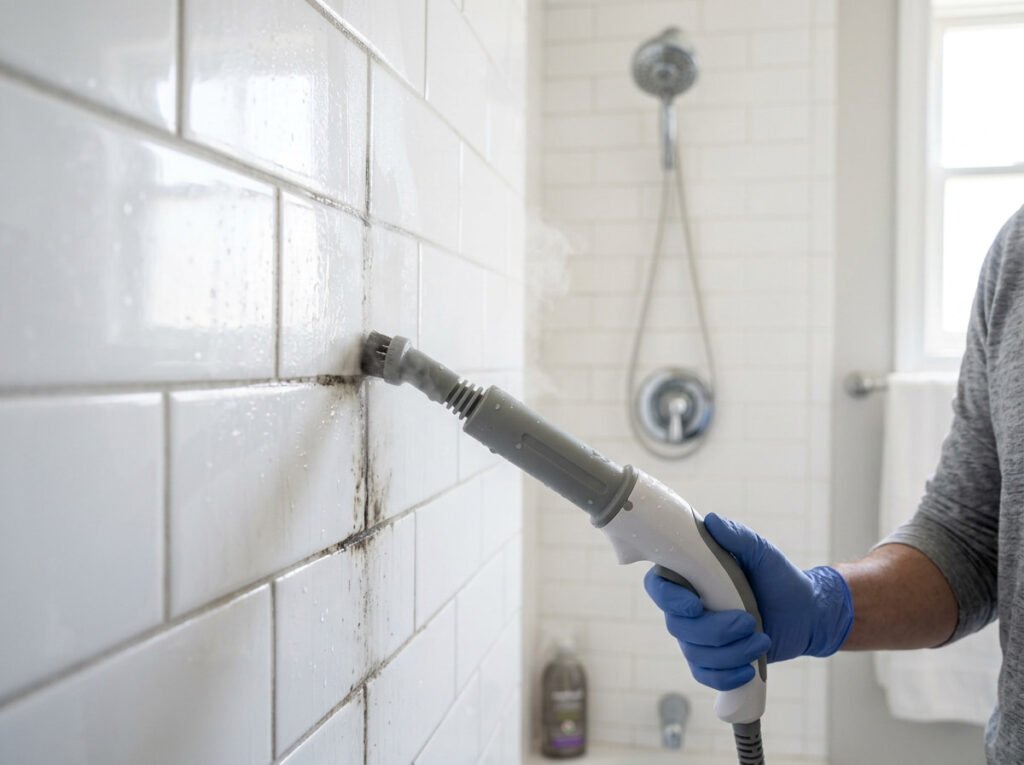
Bleach based cleaners can lighten mold stains without fully killing the roots, especially on porous grout, while steam’s heat penetrates deep enough to actually kill the spores at the source.
Steam the affected area first to kill the mold at the root.
Wipe away the loosened residue with a cloth.
Follow with a mold specific cleaner only if staining remains.
8. Window Tracks and Blinds, a Fight Traditional Cleaning Usually Loses
A cotton swab and cleaner can only do so much in a window track full of years of grime, while a narrow steam attachment melts through buildup that a swab just pushes around.
What to grab first
9. The Time Commitment Difference Between the Two Methods on an Average Room
Steam cleaning usually takes longer upfront since the machine needs to heat up, but it often means skipping several separate cleaning steps that traditional methods require one after another.
10. Upfront Cost Versus Ongoing Cost, Steam Equipment Versus Cleaning Supplies
| Steam Cleaning | Traditional Deep Cleaning |
|---|
| Steam Cleaning | Traditional Deep Cleaning |
|---|---|
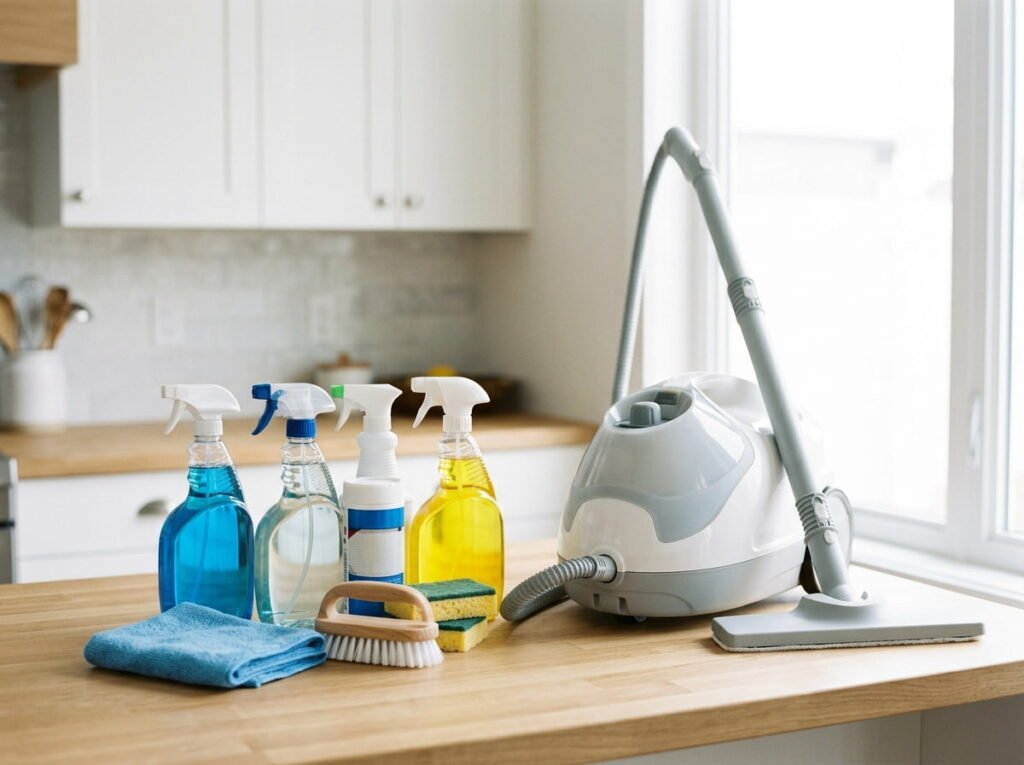
| Higher upfront cost for the machine | Lower upfront cost, just basic supplies |
| Almost no ongoing cost after that | Ongoing cost as cleaners run out |
Over a year or two, steam often evens out or comes out ahead, especially in a house with a lot of hard flooring and tile.
11. Homes With Pets or Allergies, Where One Method Has a Clear Edge
Steam kills dander, dust mites, and allergens with heat alone, which matters more in a home with pets or allergy sufferers than the fragrance a chemical cleaner leaves behind.
For homes with pets or allergy sufferers, steam usually wins because it removes allergens instead of covering them with scent.
Worth prioritizing on carpets, pet beds, and any upholstered furniture pets spend time on.
12. Sealed Versus Unsealed Surfaces, the Detail That Decides Which Method Is Safe
Steam is safe on sealed tile, sealed grout, and sealed stone, but the same heat and moisture that works there can seep into unsealed stone or unfinished wood and cause real damage.
Confirm a surface is sealed before steaming it.
Test in a small hidden spot first if unsure.
Steaming unsealed natural stone or unfinished wood.
Assuming all tile and grout are sealed the same way.
13. Combining Both Methods Instead of Picking Just One
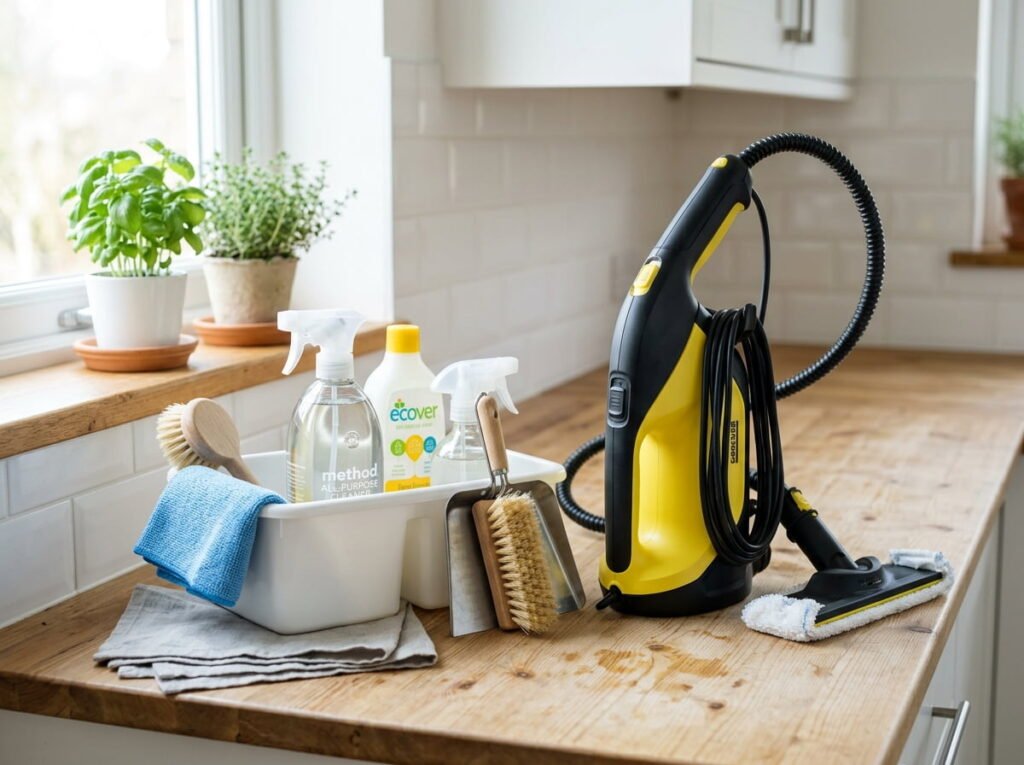
Most homes actually clean better with both methods on rotation, since neither one covers every surface a full deep clean touches.
Use steam on tile, grout, carpet, and upholstery.
Use traditional cleaning on hardwood, unsealed stone, and stainless steel.
Save the combined approach for heavy grease and mold, where both help.
14. Rental Steam Cleaners Versus Owning One, Whether It’s Worth the Investment
| Renting a Steam Cleaner | Owning One |
|---|
| Renting a Steam Cleaner | Owning One |
|---|---|
| Good for occasional deep cleans | Better if used more than a few times a year |
| No storage space needed | Needs a spot in a closet or garage |
15. The Simple Test That Tells You Which Method a Room Actually Needs
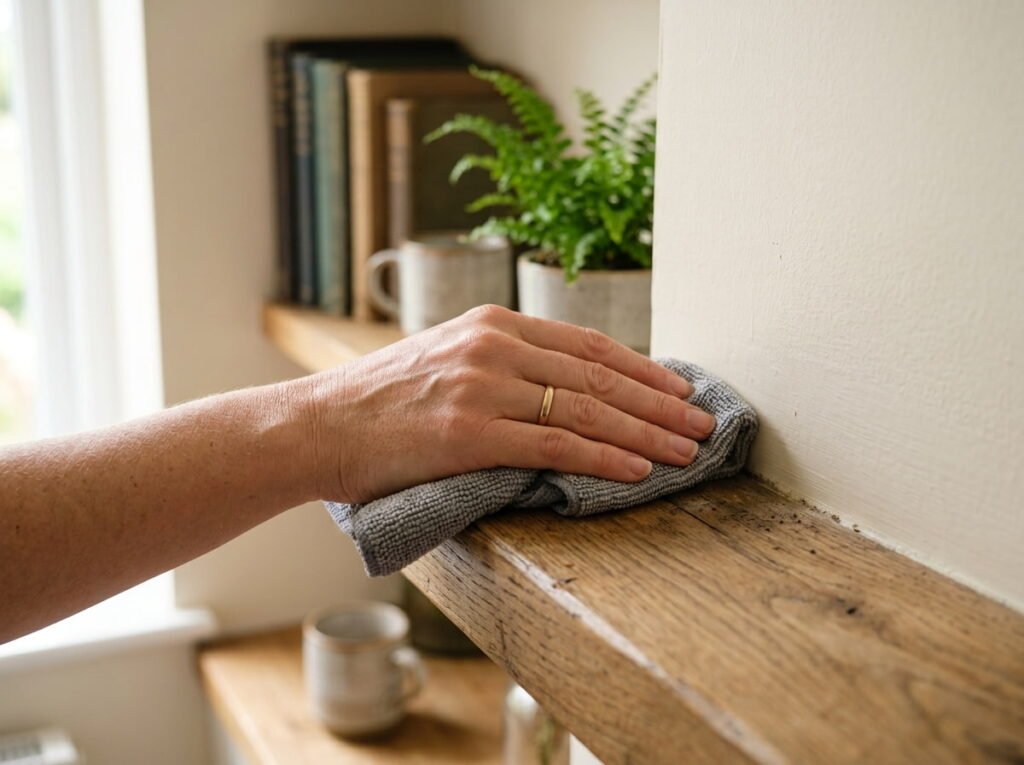
If a surface can handle heat and moisture without warping or staining, steam is worth trying first. If it’s delicate, porous, or unsealed, reach for a traditional method instead.
- ▸Ask if the surface is sealed. If not, skip steam entirely.
- ▸Ask if the goal is killing bacteria or removing a visible stain.
- ▸When in doubt, test a small hidden area with either method first.
Conclusion
Neither method wins this argument outright, and that’s really the answer people don’t want to hear when they’re trying to settle it once and for all. Steam takes carpet, grout, mattresses, and anything dealing with allergens or bacteria. Traditional cleaning holds its ground on hardwood, unsealed stone, and heavy grease that needs real chemistry to break down.
The steam clean vs deep clean question isn’t really about picking a side. It’s about matching the method to the surface in front of you, and most homes end up using both once they stop trying to pick just one.
Keep this list handy the next time you’re standing in front of a surface unsure which approach it actually needs. Save it for the next deep clean, so the decision is already made before you start.