Standing in a messy house trying to figure out where to begin is its own kind of exhausting, and most cleaning advice skips right past that moment. A cleaning checklist for beginners isn’t really about the tasks themselves, it’s about having a starting point so you’re not standing there every single time trying to decide what matters most.
Most people who say they’re bad at keeping a clean house just never built a system, so every cleaning session starts from scratch, deciding what to tackle and usually running out of energy before getting to the parts that actually needed it.
This list walks through eighteen practical steps, from splitting tasks into daily, weekly, and monthly groups to building specific checklists for the kitchen, bathroom, and bedroom. Some are about structure. A few are just about giving yourself permission to skip a day without starting over completely.
If you’ve wanted a cleaner house but keep getting stuck on where to even begin, this is the list that gives you an actual starting point.
1. Why a Checklist Works Better Than Trying to Remember Everything
Memory is unreliable under stress, and a messy house is stressful enough that half the tasks get forgotten before you’ve even started. A checklist removes the guessing and turns cleaning into something you just follow instead of something you have to plan from scratch every time.
2. Splitting Tasks Into Daily, Weekly, and Monthly Instead of One Long List
| One Long List | Split Into Daily, Weekly, Monthly |
|---|
| One Long List | Split Into Daily, Weekly, Monthly |
|---|---|
| Overwhelming at first glance | Each list stays short and doable |
| Everything feels equally urgent | Clear which tasks matter today |
3. The Five Daily Tasks Worth Checking Off Before Anything Else
Five small tasks, done every day, keep a house from sliding backward between bigger cleaning sessions.
Daily checklist
4. Building a Weekly Checklist Room by Room Instead of Task by Task
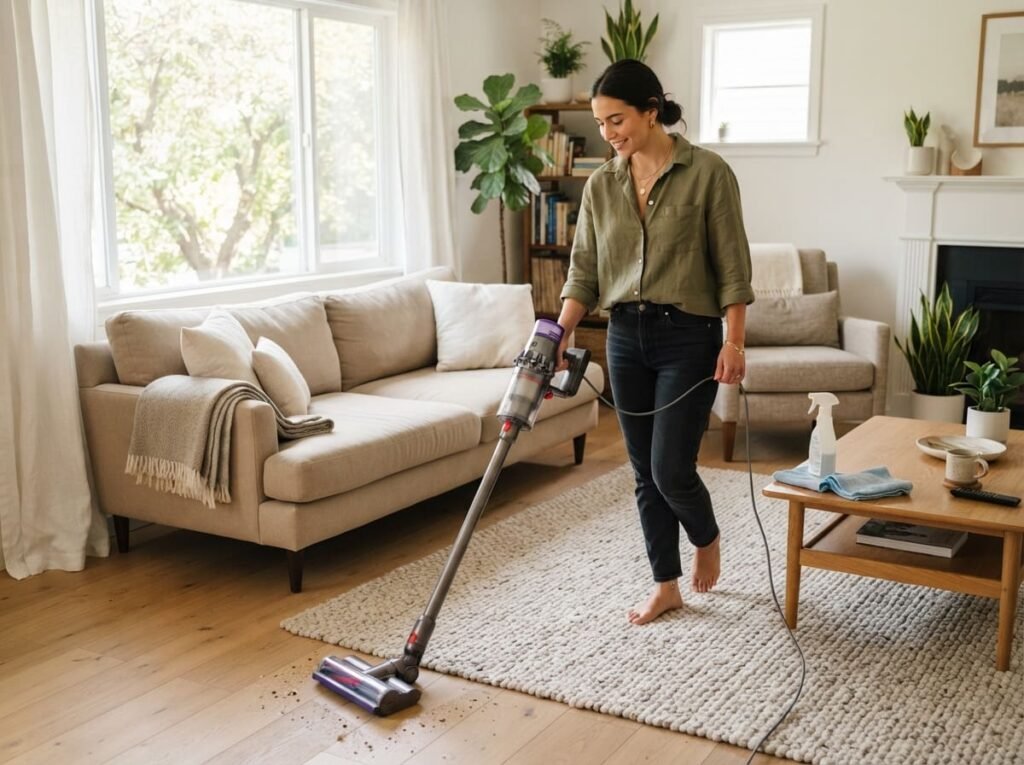
A checklist organized by task, like “vacuum” or “dust,” makes you mentally walk through the whole house for each one. Organizing by room instead means you finish one space completely before moving to the next.
A task based list, bouncing between rooms to vacuum everywhere, then dust everywhere.
A room based list, finishing the living room completely before moving on to the next space.
5. The Monthly Tasks Most Beginner Checklists Forget to Include
Baseboards, ceiling fans, and behind the couch rarely make it onto a daily or weekly list, which is exactly why they need their own separate monthly reminder.
💡 Quick Tip
Keep a separate monthly list for the tasks easy to forget, baseboards, light fixtures, and behind or under furniture.
6. Keeping a Checklist Realistic Instead of Copying Someone Else’s Routine
A checklist built around someone else’s schedule, someone with a different house, different hours, and different energy levels, rarely survives past the first week.
Build a checklist around your actual schedule.
Start smaller than feels necessary.
Copying a checklist from someone with a completely different routine.
Adding every task you’ve ever seen recommended.
7. Where to Post a Printable Checklist So It Actually Gets Used
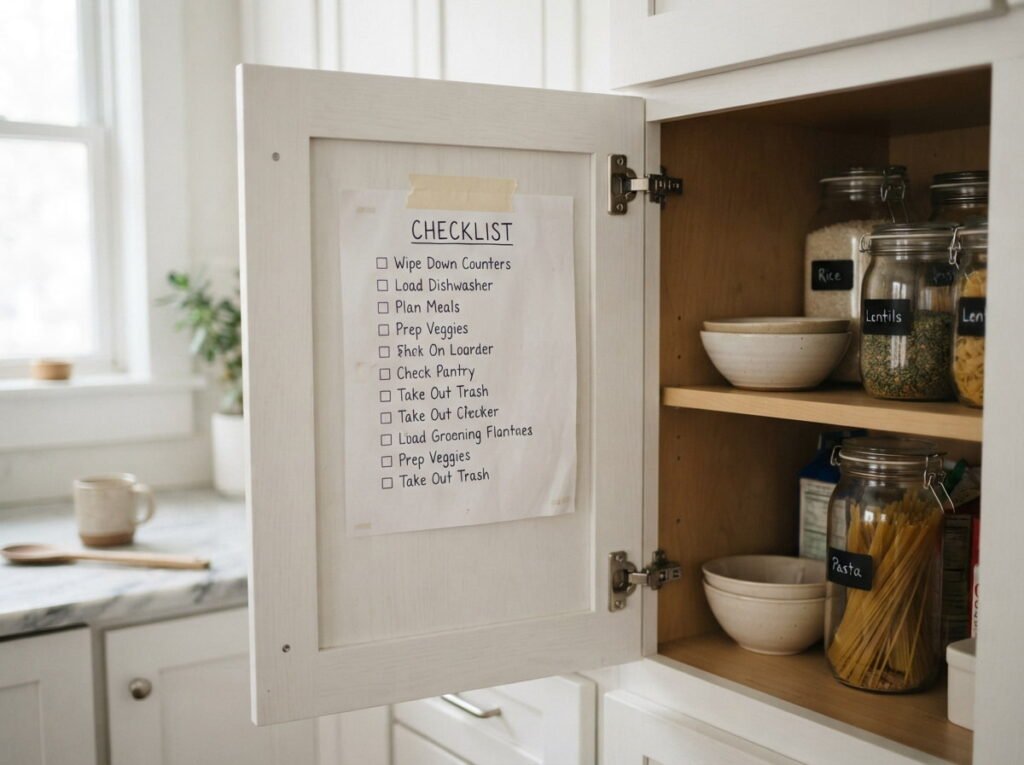
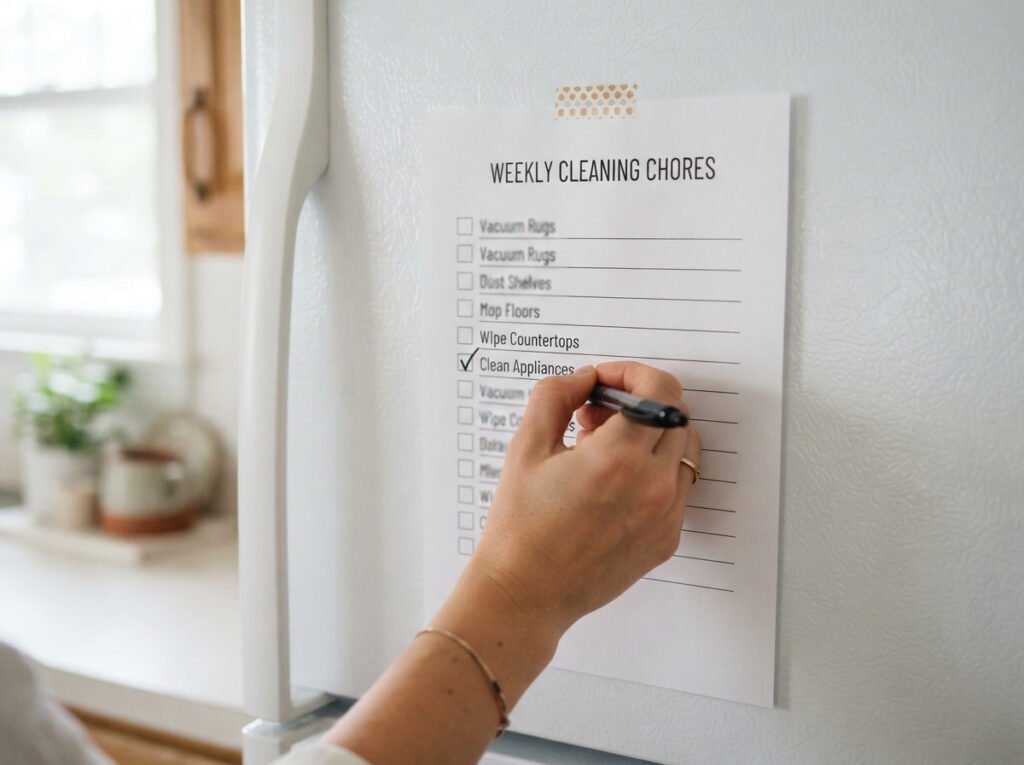
A checklist tucked in a drawer gets forgotten within a week. One taped inside a cabinet door, on the fridge, or somewhere you actually pass by stays in view long enough to become a habit.
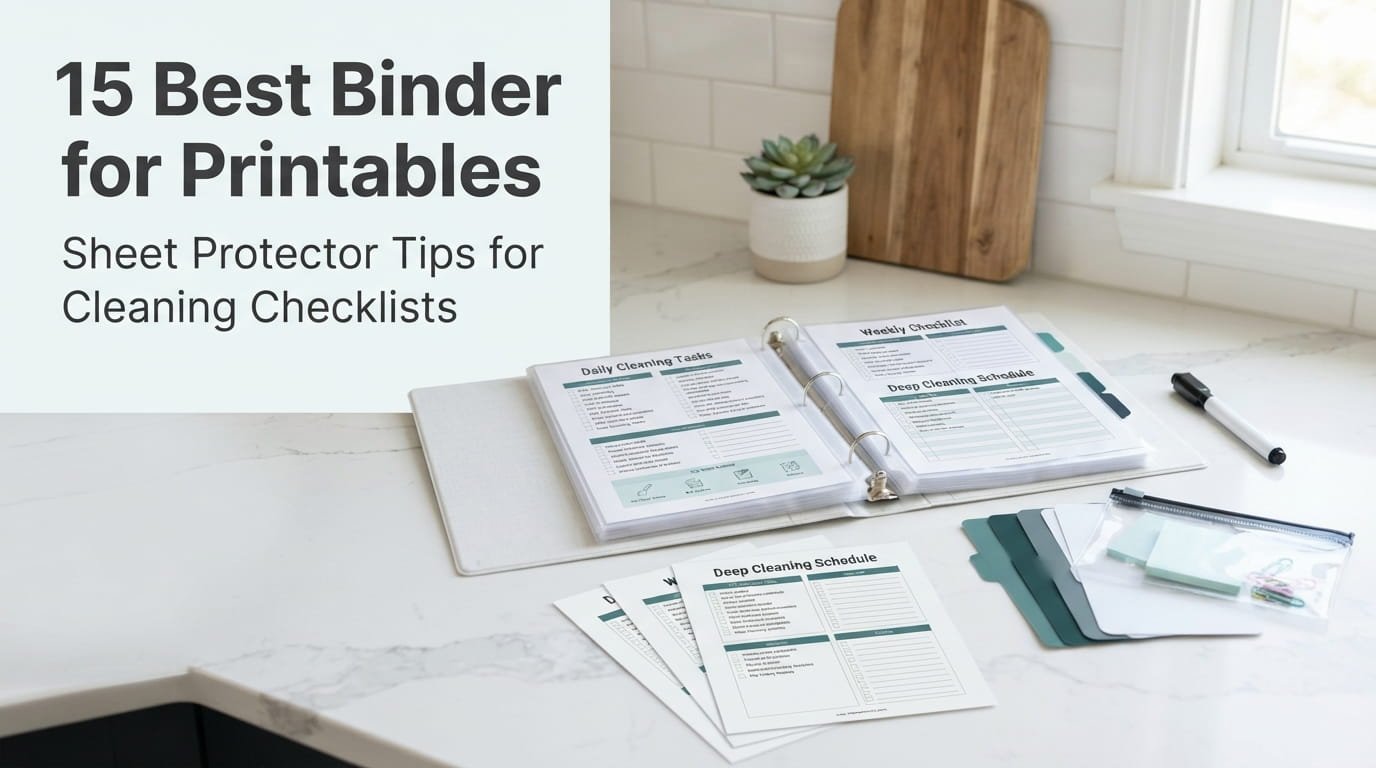
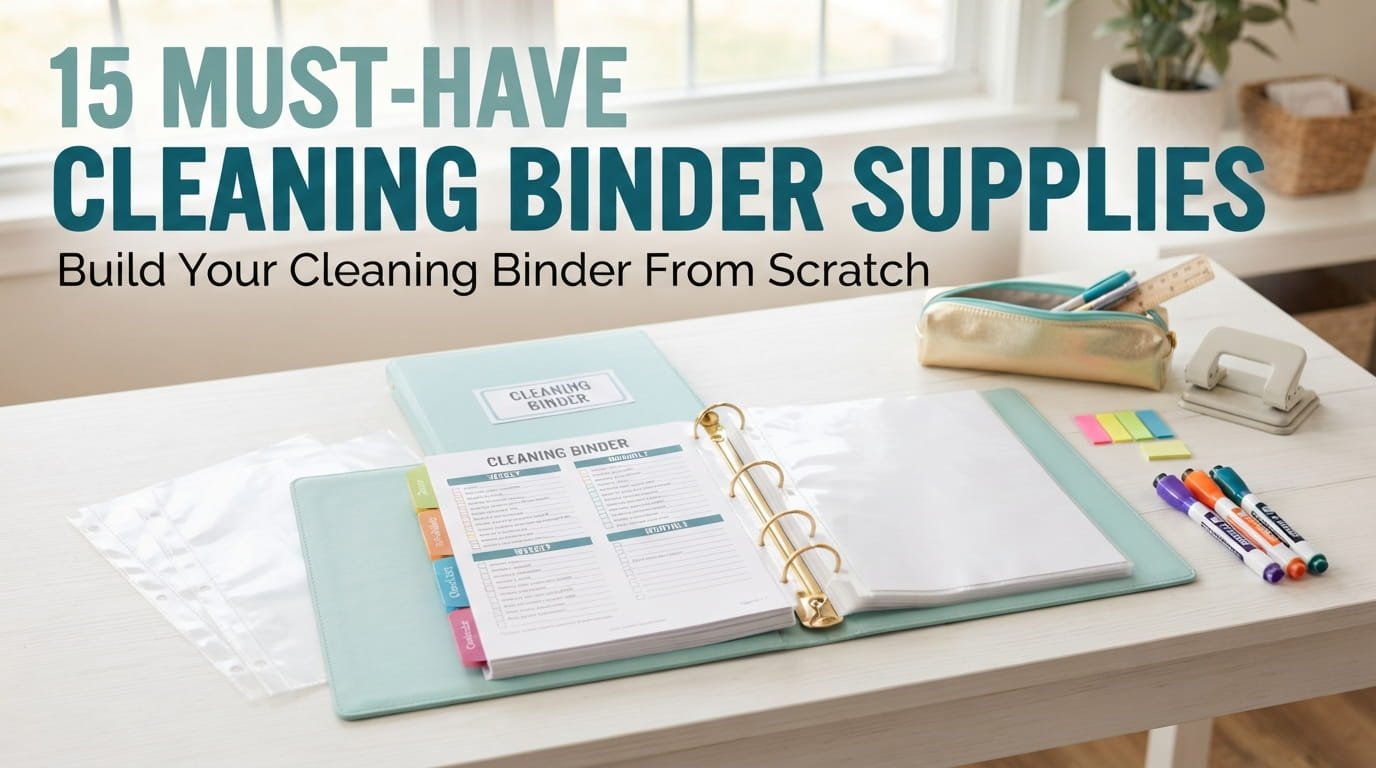
Print the checklist and slip it into a plastic sleeve for reuse.
Post it somewhere you pass daily, a fridge or inside a cabinet door.
Check items off with a dry erase marker so it’s reusable each week.
8. Checking Off a Task Versus Actually Finishing It Well
A box checked off doesn’t always mean the task got done properly, and a beginner checklist should account for the difference between rushing through something and actually completing it.
9. Starting With One Room Instead of Trying to Tackle the Whole House
Trying to build a full house checklist on day one usually means giving up somewhere around the third room, overwhelmed before the system even had a chance to work.
📌 Good To Know
Build and test a checklist for one room first. Once that room feels manageable, expand to the next one.
10. The Kitchen Checklist That Covers What Actually Gets Dirty Fastest
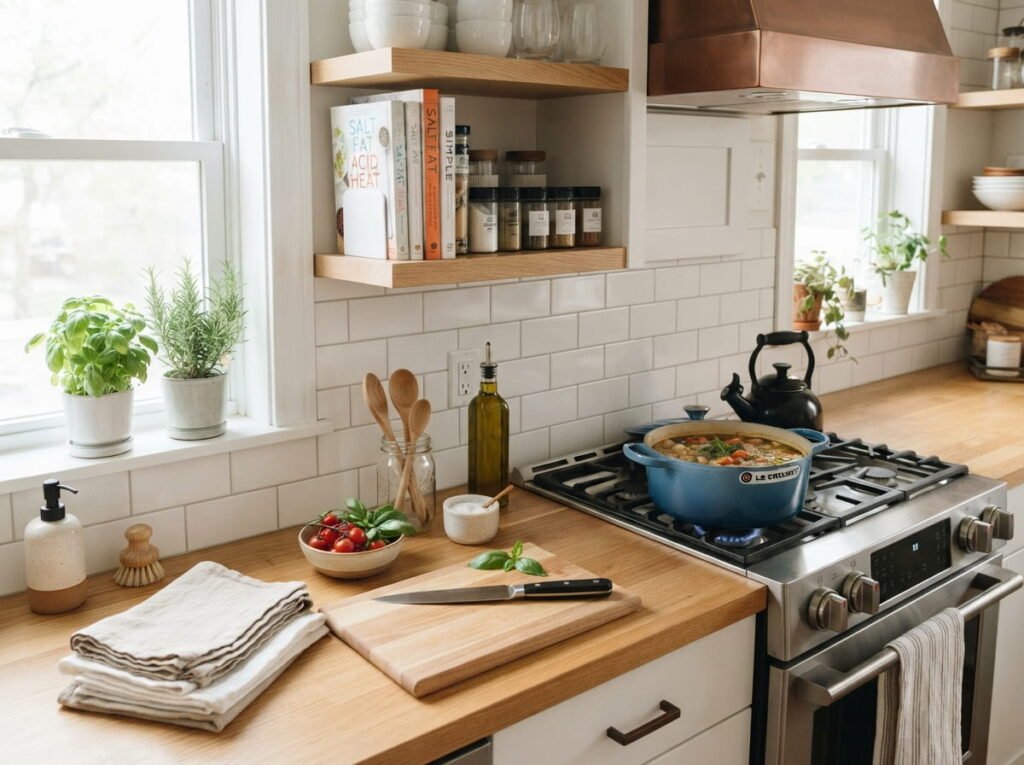
The kitchen collects grime faster than almost any other room, which is why it usually deserves its own detailed checklist instead of a few generic lines shared with the rest of the house.
Countertops, the sink, and the stovetop need daily attention. Appliances and cabinet fronts can wait for the weekly pass.
Good to keep separate from the rest of the house checklist entirely, since it moves at its own pace.
11. The Bathroom Checklist Built Around What Builds Up Between Cleans
Soap scum, water spots, and grime around the toilet base build up fast in a bathroom, which is why this checklist works best split into what needs daily attention and what can wait for a weekly pass.
Bathroom checklist basics
12. A Bedroom Checklist That Goes Past Just Making the Bed
Most people think of the bedroom as a low maintenance room, but dust, laundry, and clutter build up here just as fast as anywhere else, it’s just easier to close the door and ignore it.
13. Adjusting the Checklist Once You Know Your Own Habits

| The First Version | The Adjusted Version |
|---|
| The First Version | The Adjusted Version |
|---|---|
| Based on general assumptions | Based on what actually gets skipped or done twice |
| Might include unnecessary tasks | Trimmed down to what your house actually needs |
Give the first version at least a month before making changes, so you’re adjusting based on real patterns, not one bad week.
14. Setting a Timer Instead of Cleaning Until It Feels Done
Cleaning without a time limit tends to expand to fill however much time is available, turning a fifteen minute task into an hour long one without much extra benefit.
Cleaning until it feels done, stretching a short task into most of an afternoon.
Setting a fifteen minute timer per task, keeping the whole session focused and fast.
15. Why Skipping a Day on the Checklist Isn’t a Reason to Quit
One missed day doesn’t undo the whole system, but a lot of beginners treat it that way and abandon the checklist entirely instead of just picking it back up the next day.
- ▸A missed day just means picking up the next task on the list.
- ▸Don’t try to double up and catch up all at once.
- ▸Consistency over weeks matters more than any single day.
16. Printing Versus Keeping a Digital Checklist on Your Phone
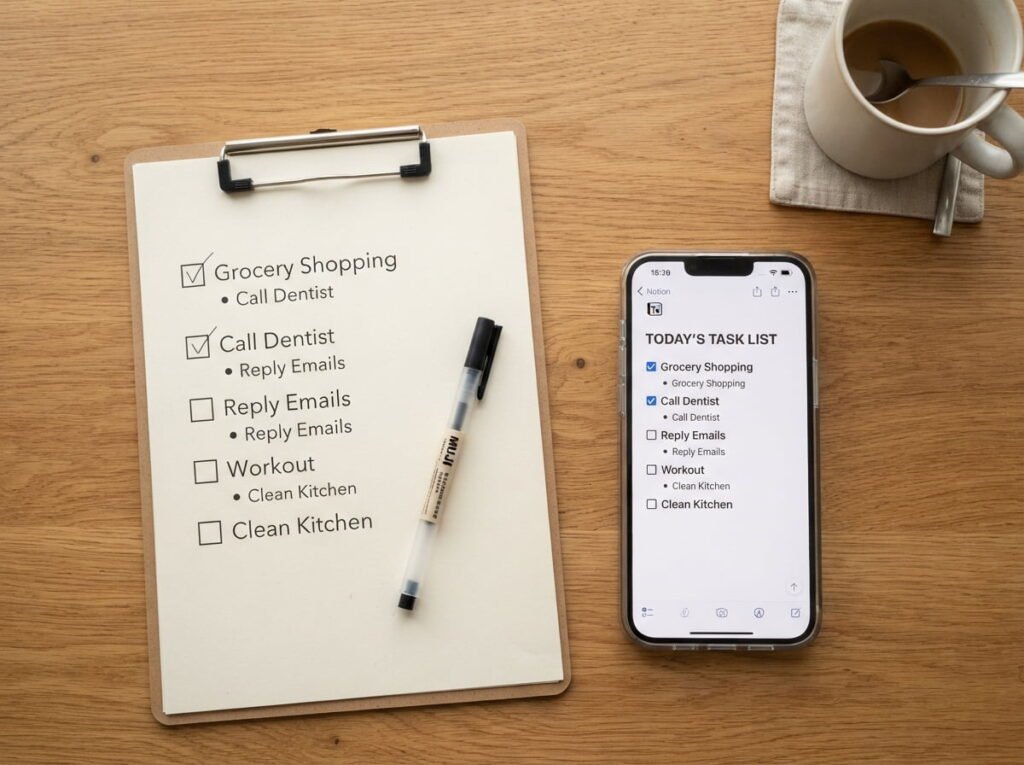
A printed checklist stays visible without needing to unlock a phone, but a digital version travels with you and can send reminders a paper copy never will.
People who like a visible, physical reminder.
Households sharing one checklist on the fridge.
Anyone who wants scheduled reminders built in.
People who move between locations during the week.
17. Involving Other People in the House With Their Own Section of the List
One person carrying an entire household’s cleaning checklist burns out fast, and splitting tasks by name instead of leaving them generic actually gets them done.
List each person’s name next to their assigned tasks.
Match tasks to what each person is already around for.
Revisit the split every few weeks if one person’s list feels heavier.
18. Knowing When a Checklist Needs an Update Instead of Starting Over
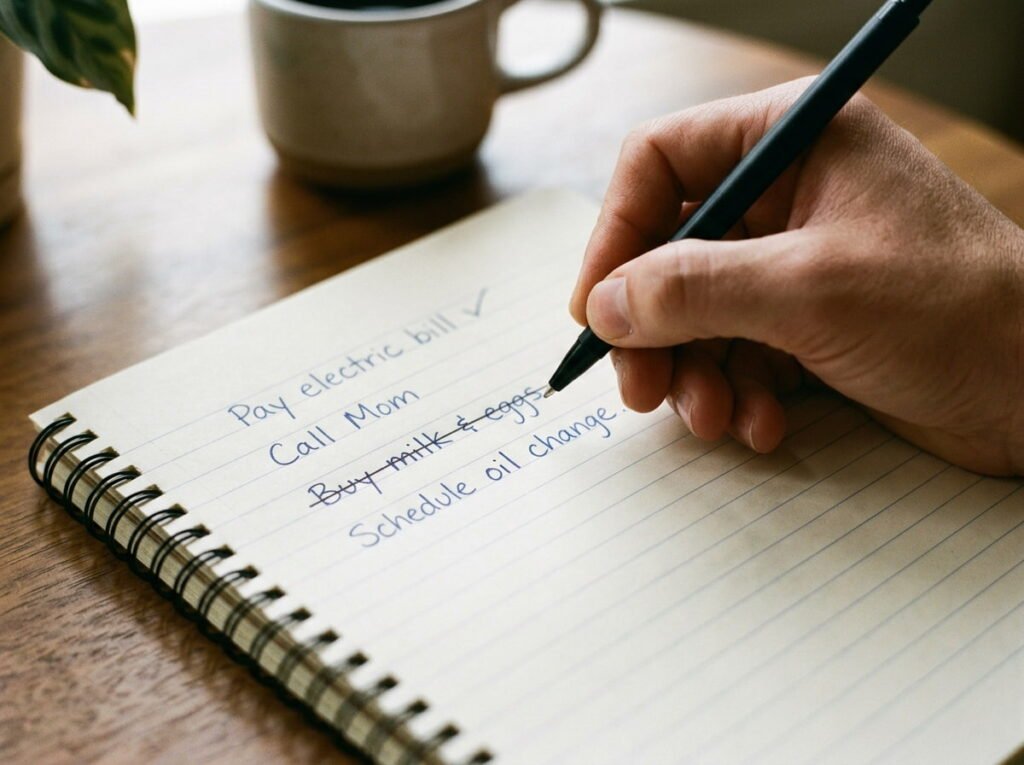
A checklist that stops matching real life, tasks that never get done or ones that no longer apply, doesn’t need to be thrown out entirely. It just needs a few honest edits.
If a task keeps getting skipped week after week, remove it or move it to a less frequent list rather than feeling guilty about it.
Worth reviewing every couple months, since a household’s actual needs shift more than people expect.
Conclusion
None of these eighteen steps require a perfect system on day one. A cleaning checklist for beginners works because it’s simple enough to actually follow, not because it covers every possible task a house could ever need. Start with one room, five daily tasks, and enough patience to adjust it once you see what actually fits your life.
The checklist isn’t the goal itself. It’s just the tool that gets you there without reinventing the plan every single time you clean.
Give yourself a month before deciding whether the system works, since one missed day or one skipped task doesn’t mean it’s failed. Save this list for the next time you’re staring at a messy house with no idea where to start, so you’ve already got the plan.